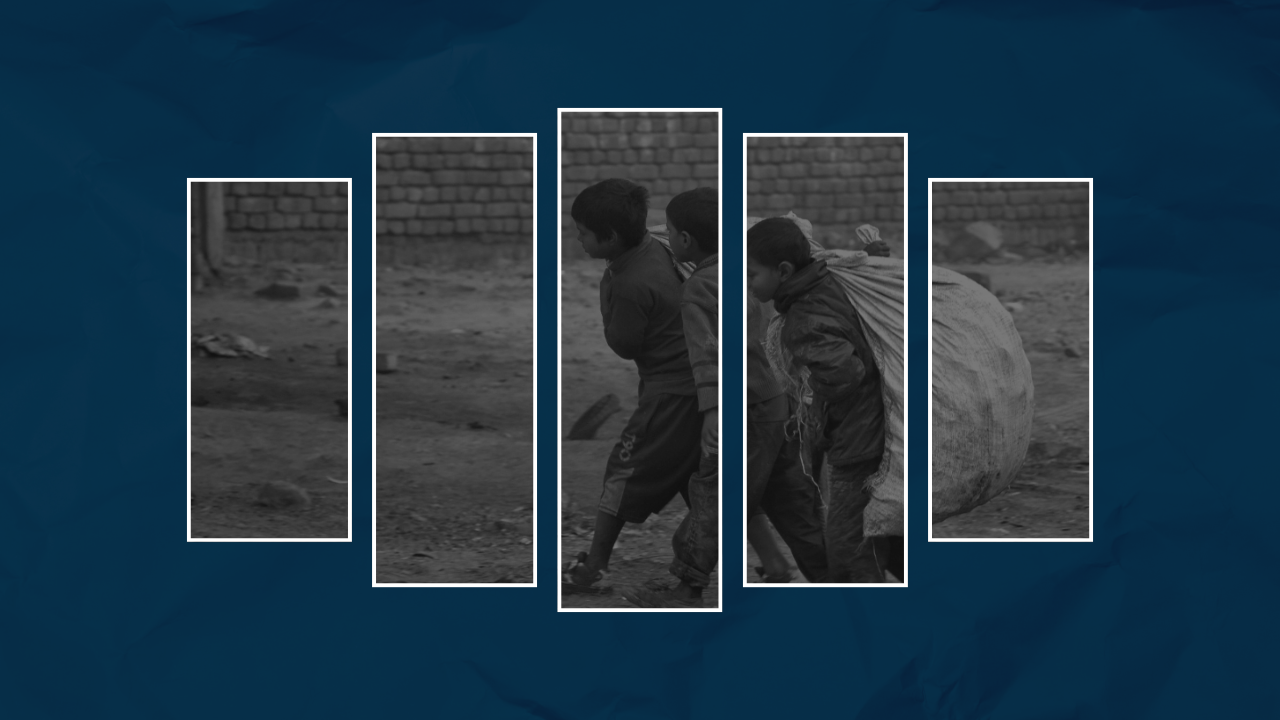
“Lose your measuring stick.”
Imagine hearing those words from someone you've just met. They're a little unexpected, maybe even confusing. Yet they might be exactly what you need to hear, especially if you've spent much of your life measuring how well you're doing. People have all kinds of measuring sticks. Some measure success by what they accomplish, others by how much people need them, how well their family is doing, or how effectively they keep everything together. Even faith can become something to measure. Am I praying enough? Am I growing fast enough? Shouldn't I be further along by now?
Living that way can be exhausting. And somewhere beneath all that striving is a question people rarely say out loud: Am I enough?
Romans 5 offers a beautiful place to begin answering that question, and it takes us all the way back to the beginning of humanity.
When Hiding Became Familiar
In Genesis, God forms Adam from the dust of the ground and breathes life into him. It's a wonderfully personal picture of creation. Humanity was made to know God, to enjoy His presence, and to live in relationship with Him and one another. Everything about being human, including our bodies, emotions, thoughts, and relationships, was part of His good design. Then Adam and Eve chose to go their own way, and their relationship with God changed. Suddenly they were hiding among the trees, and shame had entered their story, bringing fear and blame along with it.
It's surprising how familiar that garden can feel thousands of years later. People hide behind busy schedules, carefully managed appearances, and the reassuring words, “I'm fine.” They carry mistakes longer than necessary and quietly wonder what others would think if they knew what was happening beneath the surface. Sometimes that same fear follows them into their relationship with God, where prayer becomes guarded and honesty feels uncomfortable. Yet even in the garden, God came looking for Adam. His question, “Where are you?” reveals a God who continues to reach toward the people He created.
That desire to restore what was broken runs throughout Scripture and leads us to Jesus.
Loved Before We Had Anything to Offer
Paul makes an extraordinary statement in Romans 5:8.
“But God showed his great love for us by sending Christ to
die for us while we were still sinners.” Romans 5:8 (NLT)
Consider the timing of those words. Jesus came while humanity was caught in its brokenness, with all the fear, selfishness, and failure that had become part of the human story. God's love was already reaching toward people before they knew how to respond to Him. That can take some getting used to, especially for someone accustomed to earning their place. Most of life operates on effort and reward. Work produces a paycheque, studying earns a grade, and even relationships can become tangled in expectations about what someone needs to do to deserve affection.
It's possible to carry that thinking into faith, approaching God with the same measuring stick used everywhere else. Prayer becomes another responsibility to manage, obedience another opportunity to succeed or fail, and spiritual growth another area where progress needs to be measured. Yet Paul describes a peace with God that comes through Jesus Christ, a relationship grounded in what He has already accomplished. Consider how differently you might begin each day with the settled confidence that God already loves you. How would that affect the way you respond to mistakes, approach prayer, or treat someone who has disappointed you?
Jesus lived with complete trust in His Father, and we see that trust tested in the garden of Gethsemane. Overwhelmed with sorrow as He faced the cross, He brought His anguish honestly before God and surrendered Himself to the Father's will. His grief was real, His suffering was real, and His relationship with the Father remained secure. That picture offers reassurance to anyone who has wondered whether their tears, questions, or exhaustion reveal a lack of faith. Jesus understands the weight of being human, and through His death and resurrection, He has opened the way for us to share in His life.
How Much More?
Paul draws our attention to two people whose choices changed the course of humanity: Adam and Jesus. Adam's choice brought sin and death into the human story, while Jesus, through His obedience, death, and resurrection, has made new life possible. Paul uses a phrase worth remembering: How much more. He wants his readers to grasp just how abundant God's grace really is. If the consequences of Adam's disobedience could reach so far, how much greater is the gift Jesus has given?
Those words carry particular weight when life becomes difficult. Anyone who has watched someone they love suffer knows the helplessness of wishing they could somehow take the pain away. Anyone who has endured a long season of uncertainty knows how wearying unanswered questions can become. Paul speaks about suffering, perseverance, character, and hope because faith is lived in the middle of real human experience. God's love remains trustworthy through those experiences, and His Spirit continues working in people as they learn to lean on Him. How much more becomes a way of remembering the goodness of God when circumstances make that goodness difficult to see.
And as that trust grows, something begins to change in the way people see themselves and the people around them. God's patience begins to influence how they respond when someone disappoints them. His forgiveness gives them courage to release an old hurt, and His generosity challenges the instinct to keep score. The grace that restores a person's relationship with God begins reaching into the relationships that fill everyday life.
Becoming Human Together
Ephesians 2 describes Jesus creating one new humanity, bringing together people who had been separated by deeply rooted divisions. A community shaped by that grace would be a place where people could admit they were struggling, offer forgiveness freely, and carry each other's burdens without keeping score. Someone's weakness would be met with compassion, and someone else's joy would be genuinely shared. Jesus is gathering people with different histories, experiences, and perspectives and teaching them to live together as those who have received the same grace.
Much of that life becomes visible through simple, practical choices. Someone listens patiently when a conversation becomes difficult. A person who has experienced forgiveness finds the courage to extend it. A family carries one another through a season of uncertainty, or someone who has felt overlooked discovers genuine welcome. These are glimpses of the life Jesus is forming in His people as His Spirit teaches them to love as they have been loved. And perhaps that's part of what makes this picture of a new humanity so compelling. The work God is doing within a person gradually becomes visible in how they treat the people around them.
Which brings us back to that measuring stick. Maybe you've carried one for so long that you barely notice it anymore. You know exactly where you fall short, what you wish you could change, and how far you think you have left to go. Jesus knows those places too. He knows the whole person, including everything that feels unfinished, and His love has already reached you there.
What might happen if you began trusting that love enough to loosen your grip on the need to prove yourself?
Jesus is restoring humanity to the life God intended, one rooted in His love and expressed through people learning to love one another. As people grow in trust, surrender, forgiveness, and compassion, the life of Jesus becomes increasingly visible through them. And perhaps that is where the words “I'm only human” begin to carry a different meaning, one filled with the hope of who we are becoming in Him.
One Humanity
oin us as Heather shares how Romans 5 reveals God's heart for humanity and the new life Jesus makes possible. We were created for relationship with God and with one another. Yet we know how easily fear, shame, and the pressure to prove ourselves can affect the way we live and love. What would it look like to become the people God created us to be?
In Romans 5, Paul takes us back to Adam, whose choice to live independently from God brought sin and brokenness into the human story. Then he points us to Jesus, who lived in complete trust and obedience to the Father. Through His death and resurrection, Jesus has opened the way for a new humanity, restoring our relationship with God and giving us a new way to live together.
As we receive God's love and learn to trust His goodness, we can begin releasing our need for control, bringing our struggles honestly before Him, and listening to the Holy Spirit. This is a faith that grows through surrender and becomes visible in how we love, forgive, welcome, and carry one another.
📖 In This Video, We Chat About:
- What Romans 5 teaches us about Adam, Jesus, and a new humanity
- How Jesus restores our relationship with God and one another
- Why faith grows through trust, surrender, and receiving God's love
- How following Jesus changes the way we love, forgive, and care for others
🙏 Join us on this journey as we learn to follow Jesus in our everyday life. This is for anyone looking to deepen their faith or find some answers. This message gives a fresh view on understanding God's love and His plans for us.
- Uncover how Jesus makes a new way of being human possible through His death and resurrection.
- Recognize the places where fear, shame, and striving affect our relationships and how God's grace helps us grow.
- Learn to trust God's goodness, listen to the Holy Spirit, and live from the love we have received.
💡 Highlights of the Sermon:
- Jesus is creating one new humanity, restoring us to the life God intended.
- God's love is freely given, and our identity is rooted in being His beloved.
- A life shaped by Jesus becomes visible as we love deeply, forgive freely, welcome others, and carry one another.
#OneHumanity #Romans5 #SummersideCommunityChurch
Recorded on October 25, 2026 at Summerside Community Church in Summerside PEI, a church family learning to follow Jesus in everyday life.
If you’d like to support what God is doing through Summerside Community Church, prayerfully consider giving through the link below. Your generosity helps share the hope of Jesus here in Summerside PEI and beyond.