

All Authors

October 22, 2026 • 1 Minute Read
Camp Shiktehawk
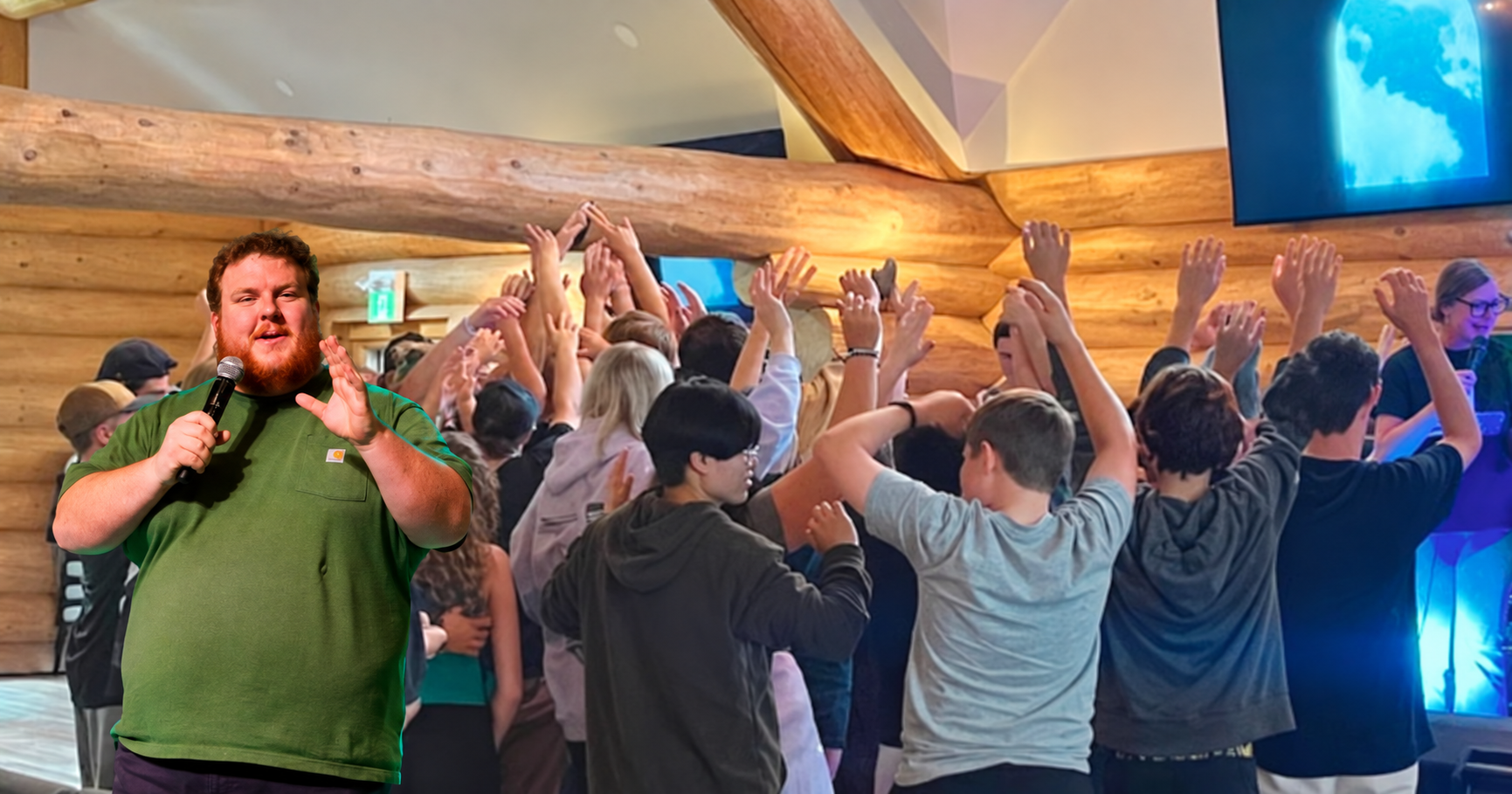
Our Elev8 high school students are heading to Camp Shiktehawk for a weekend of friendship, faith, and fun! With campfires, worship, chapel sessions, games, outdoor activities, and a talent show, there will be plenty of opportunities to connect with friends, make new ones, and grow in their relationship with Jesus. It's going to be a great weekend together! Be sure to pack warm clothing! The cabins and buildings are heated, but there will be plenty of outdoor activities, and November weather can be unpredictable. Good to Know Friday Evening: Registration at camp begins at 6:30 PM. There will be no supper served Friday, so students should eat before arriving. A hearty evening snack will be provided.
Weekend Activities: Worship, chapel sessions, campfires, games, outdoor activities, and time with friends. Activities are subject to change.
Sunday Departure: The retreat wraps up at 2:30 PM. 📅 Friday, November 13 to Sunday November 15.
📍 Camp ShiktehawkRegister here!Parent permission forms
October 22, 2026 • 4 Minute Read
Oct 25th Bulletin
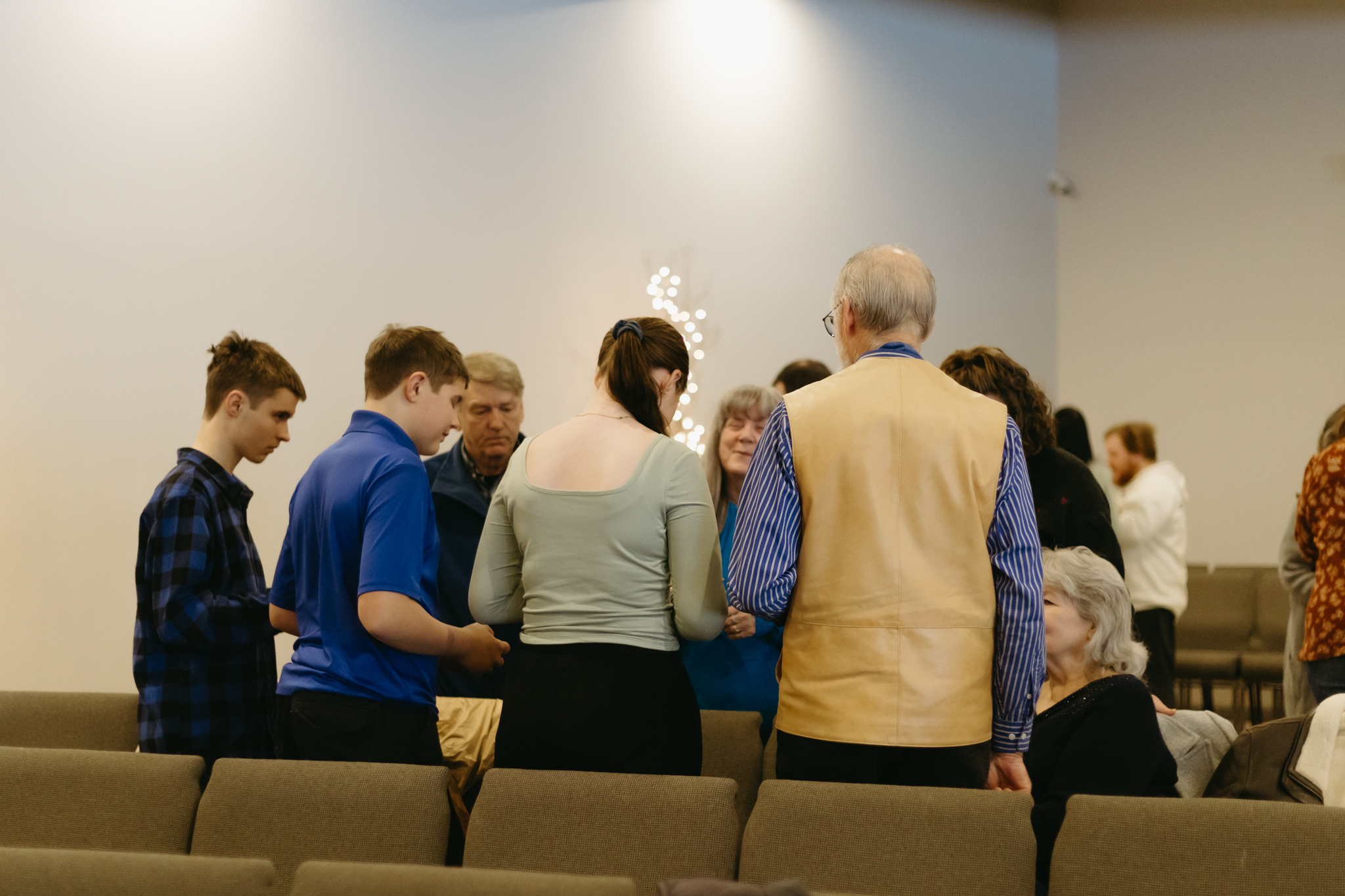
Here's what's happening around our church this week. 👋 Take a look at what’s happening around the life of SCC this week. You’ll find upcoming events, gatherings, and opportunities to connect with our church family. Friday, October 23rd 7pm | The Chosen - Early Access Screening of Episode 1 Season 6. Saturday, October 24h 5pm | Freedom Feast - Join us for a soup tasting feast! Bring something to compliment soup. Sign up belowfreedom feast Sunday, October 25th 10:00am | Worship Service - Join us for Sunday service in person or online. 10:00 - 12:15 pm | Kids Ministry - Age-specific programming during the servic 4:00 pm | Jesus the Anointed One Church - Meets in the Kids Wing. 6:30 pm | Hope & Glory - meets at Gloria Maclean’s homeHope & Glory Monday, October 26th 5:15–6:30 pm | Step Study for Women - meets in the prayer room at SCCWomen's Step Study 7:00 pm | Knitting & Crocheting Connect Group - meets in the youth room at SCCKnitting & Crocheting Tuesday, October 27th 7:00 pm | Celebrate Recovery - A safe place to find healing, hope, and freedom in Christ at Centre 150. Wednesday, October 28th 4:00 - 6:00 pm | Art in Church - meets in the kids wing in room 2Art in Church 6:30 pm | Victory by the Sea - meets in rotating homes in Victoria by the SeaVictory by the Sea 6:30 pm | Joyce Meyer Study - meets at Jocelyn Holden’s home at 425 Tower St. Apt 209 6:30 pm | Joyce Meyer Study 2nd group- meets at SCC in the Multi Purpose Rmjoyce meyer study Thursday, October 29th 9:30 am | Worship & Prayer in the Great Room. Start the day by seeking God together through prayer and worship. 7:00 pm | Elev8 Youth - Meet at SCC for a night of fun, friendships, and discovering what it means to follow Jesus.Elev8 Youth Upcoming Events November 1st | Next Sunday is our 29th Anniversary- Stay tuned for a special announcement and stay for a light lunch! November 21st | Operation Christmas Child Collection - Pack a shoebox and drop off here at SCC before Nov 21 November 28th | Save The Date for our Volunteer appreciation Christmas Party The Nativity: A Night of Music - Performance dates:
Dec 14th @ St. Pauls, Dec 19 @ SCC & Dec 20 @ the Harbourfront TheatreNew here? We'd love to connect. Oct 2 - Fred Pope
Oct 8- Mikayla Adams
Oct 12 - Andrew Bryce
Oct 14 - Deb Howatt
Oct 15 - Dale Linkletter
Oct 15 - Mason Matheson
Oct 19 - Emily Martin
Oct 19 - Iris Linkletter
Oct 21 - Cellian Barnett
Oct 31 - Mark Melanson We’re making space to celebrate one another as a church family through birthdays and our People We Love feature. Fill out the form below so we can know more about you!Help us get to know you! Community Prayer We carry each other through the spiritual practice of prayer. Here's what our community is lifting up this week: 🙏 Loaves & Fishes – Pray for the volunteers, guests, and every conversation that takes place through the ministry of Loaves & Fishes. 🙏 Isaac Gillis - Pray as he travels back to New Zealand to implement the things he learned at YWAM.Submit your own prayer request Giving Update - October 18th, 2026 General:$5,332.60
Building: $70.00
YTD General: $273,862.00 *updated as of September 30*
2026 Revenue Forecast: $462,600.00 Please note that our giving update section may not be updated every week. While we strive to provide regular updates, there may be occasions when circumstances prevent us from doing so. Your generosity helps make the life and ministry of SCC possible. Thank you for being part of what God is doing here. If you’re new, we’re simply glad you’re here.Give Now Here Watch last week’s sermon 👇This weeks sermonWatch our Services Online This weeks episode of Between the Shores 👇Subscribe To Our Between the Shores Podcast Stay Connected 📩 Subscribe to this Collection to get these updates delivered directly to your inbox. 📸 Follow us on , Instagram, TikTok, Facebook, and YouTube 💬 Pastoral care or questions? Connect with us here. Services: Sundays at 10:00 AM
150 Industrial Crescent, Summerside, PE, C1N 5N6

October 1, 2026 • 1 Minute Read
Giving Update
Generosity is one of the ways we participate in what God is doing. Each week, as we give together, we help support ministry, care for people, and create space for lives to be changed. Below is this week’s giving update and a snapshot of God’s continued provision through our church family. Sunday, October 18 General: $5,332.60
Building: $70.00
YTD General: $273,826.47 *updated as of September 30*
2026 Revenue Forecast: $462,600.00 Please note that our giving update section may not be updated every week. While we strive to provide regular updates, there may be occasions when circumstances prevent us from doing so. Your generosity helps make the life and ministry of SCC possible. Thank you for being part of what God is doing here. If you’re new, we’re simply glad you’re here.Give Now Here

September 26, 2026 • 1 Minute Read
Freedom Feast
The Freedom to Feast 🙌 Jesus regularly shared meals with people. Around the table, strangers became friends, stories were shared, and lives were changed. We continue that rhythm each month as we slow down, share a meal, and celebrate the freedom He has given us. Freedom Feast is a monthly meal where everyone is welcome. Bring a main dish if you’re able, invite a friend, or simply come as you are. Enjoy good food, genuine conversation, and an unhurried evening where every seat at the table is an invitation to belong. Once our five soups are covered, we’ll also be looking for people to bring simple sides and toppings like rolls, biscuits, crackers, cheese, or other things that pair well with soup.Let us Know what you are bringing 📅 Upcoming Dates — 4th Saturday of the month. October 24th, November 28.

September 18, 2026 • 1 Minute Read
Thrive
Because adulthood is better with Jesus. Thrive is a space for young adults (ages 18–30) who are passionate about following Jesus and doing life together. From meaningful conversations to fun hangouts, it’s a place to grow in faith, build friendships, and be part of something real. Meets: Every 2nd Friday | 7:00 PM | Next Meeting Oct 2
Location: SCC | 150 Industrial crescent | Youth Room
Leader/Facilitator: Julianna & Titus Stimson, Ron & Harmony Goddard Stay up to date by joining our social media pages.InstagramFacebook

September 18, 2026 • 1 Minute Read
JAM
JAM is a relaxed space for people who enjoy making music together. Bring an instrument, bring your voice, or bring both, and spend the evening playing and singing worship music and spiritual songs with others. Meets: Fridays | Bi-weekly | 7:00 PM
Location: SCC | Great Room
Facilitator: Susan Christensen There’s plenty of space to try new things, stretch your musical muscles, learn from one another, and enjoy the simple fun of making music together. Bring what you love to play or sing and spend the evening sharing songs with others who enjoy music too.Email Susan

September 16, 2026 • 1 Minute Read
Route 2
This bi-weekly group is all about building strong relationships and growing together as followers of Jesus. Through prayer, conversation, and shared life, we encourage one another to walk more closely with God and support each other in every season. Meets: Every second Wednesday | 6:30–9:00 PM
Locations: Rotating | Contact Joel Leadership and hosting rotate between members, alternating between 4 homes and creating a shared sense of ownership and community along the way.Email Joel

September 16, 2026 • 1 Minute Read
Victory by the Sea
A Spirit-led Connect Group gathering every second Wednesday evening to worship, grow, and live as the family of Jesus. These evenings include live worship, meaningful conversation, and listening to the Holy Spirit together. We aim to walk in love, encourage one another, and activate the spiritual gifts God has placed within us—all while staying mission- and community-minded. Meets: Every second Wednesday | 6:30–9:00 PM
Locations: Rotating between homes in Victoria by the Sea
Leader/Facilitator: Catherine & Henk Visser, Deborah Christie Meetings rotate between homes in the Victoria area, starting at Deb & Gordon Christie’s, and new members are always welcome. Come as you are—we’re learning to lean into grace, love boldly, and live in the power of Jesus together.

September 16, 2026 • 1 Minute Read
Art in Church
Art in Church is a space for creativity, connection, and enjoying the process of making something alongside others. Bring whatever art medium or project you’re currently working on and spend time creating in a relaxed and encouraging environment. Meets: Wednesdays | 4:00-6:00 PM
Location: SCC | 150 Industrial crescent | Kids wing room 2
Facilitator: Ceilidh Barnett & Noelle Caron You don’t need to be an experienced artist or arrive with a finished idea. Come with what you have, learn from one another, share inspiration, and make room for creativity as one of the ways we express what God has placed within us.Email Ceilidh

September 15, 2026 • 1 Minute Read
Hearts in Harmony
This group creates space for women to build meaningful relationships while growing into who God created them to be. Through honest conversation, shared experiences, prayer, and encouragement, women can explore how faith speaks into the real places of life and discover the hope and healing Jesus brings. Meets: Every 2nd Tuesday | 12:00 PM
Location: Garant Home at 100 Putters Street
Facilitator: Catherine Garant
Meetings: September 22, October 6, October 20 There is room here to ask questions, be encouraged, and take meaningful steps toward greater wholeness and purpose. Wherever you are in your journey with Jesus, you can grow alongside other women who are learning, supporting one another, and discovering more of His life together.Email Catherine

September 14, 2026 • 1 Minute Read
Daniel Plan
The Daniel Plan Support Group is a place to find encouragement and support as you work toward a healthier lifestyle using the five essentials of faith, food, fitness, focus, and friends. Together, we’ll encourage one another, share what we’re learning, celebrate progress, and work through challenges along the way. You can come wherever you are in the process and find people to walk alongside you as you take practical steps toward greater health and well-being. Meets: Monthly | 7:00 PM
Location: Various Locations
Facilitator: Linda Pope This group is about having people beside you as you make changes at your own pace. Share the wins, talk honestly about the challenges, and find practical encouragement to keep moving forward.Email Linda

September 14, 2026 • 1 Minute Read
Chosen
Chosen is a group for anyone who wants to explore the life of Jesus through The Chosen TV series. Together, the group will watch the series and use the Come and See study guide to explore the biblical stories behind each episode and continue the conversation together. Meets: Mondays | 7:00–9:00 PM
Location: SCC | Multipurpose Room
Facilitator: Susan Christensen Come with your questions, curiosity, and a willingness to learn alongside others. Each week offers an opportunity to spend time in Scripture, talk through what you’re discovering, and consider how the life and teachings of Jesus connect with your own life and faith.Email Susan


October 18, 2026 • 8 Minute Read
One Story
A bookmark marks a curious place in a book. Everything before it has already happened, and everything beyond it remains a mystery. We can close the cover, set the book aside, or even turn ahead to discover how things work out. Yet part of the pleasure of reading comes from allowing the story to unfold, getting to know the characters, and discovering details whose significance only becomes clear later. Living through our own stories feels quite different. We carry memories of chapters already lived, along with hopes and questions about what lies ahead. Some experiences make sense when we look back, while others leave us wondering how they fit into the larger picture. And occasionally, we wish we could turn a few pages ahead, just to know how everything works out. That desire to know what comes next is deeply human. We care about the people in our lives, the decisions we're making, and the things we've worked hard to build. Uncertainty can leave us feeling vulnerable, especially when circumstances are beyond our ability to change. Abraham knew something about that experience, and his story offers an interesting perspective on what it means to trust God with a future we cannot see. A Promise Without a Map Abraham had no idea that thousands of years later, people would be reading about his life, studying his decisions, and finding encouragement in his faith. He was simply trying to follow God into a future he couldn't see. And when we read his story, we have an advantage he never had. We know what happens next. We know about Isaac, the generations that followed, and how God's promise would eventually lead to Jesus. Abraham knew none of that when he packed up his belongings and left home. In Genesis 12, God called Abraham to leave his country and travel to a land He would show him. Along with that call came a promise that Abraham would become a great nation and that all the families of the earth would be blessed through him. It was an extraordinary promise for a man who had no children. Years later, God brought Abraham outside and told him to count the stars, promising that his descendants would be just as numerous. Imagine standing beneath that enormous sky, hearing a promise that seemed increasingly impossible as the years passed. Genesis 15:6 tells us that Abraham believed the Lord, and God counted his faith as righteousness. When Paul returns to this passage in Romans 4, he draws attention to something his readers may have overlooked. Abraham was counted righteous before he received circumcision, the physical sign of God's covenant with his people. For the Jewish believers in Rome, whose identity was closely connected to their religious heritage, this was significant. Paul was helping them recognize that God's family had always been rooted in faith, and through Jesus, that family now included people from every nation and background. The Message paraphrase captures Abraham's response in a particularly meaningful way. "Abraham entered into what God was doing for him,
and that was the turning point."
-Romans 4:3, MSG God had already begun something, and Abraham responded by trusting Him. He couldn't see how the promise would unfold, and his journey included questions, mistakes, and attempts to work things out himself. Yet God remained faithful, continuing to work through Abraham's imperfect life to accomplish what He had promised. There's encouragement in remembering that Abraham was living his story one day at a time, just as we are. The people we read about in Scripture were making decisions, raising families, facing disappointments, and responding to God with the understanding they had at the time. Their trust developed through experiences that often challenged everything they thought they knew. Seeing Beyond the Familiar In J.R.R. Tolkien's The Fellowship of the Ring, Bilbo expresses concern that Frodo may be too attached to the Shire to seek adventures of his own. Frodo loves his home and the peaceful life he knows there. Gandalf, however, seems to recognize possibilities in Frodo that Bilbo hasn't fully considered. As the story unfolds, Frodo's love for the Shire becomes part of what gives him the courage to leave it. He begins to understand that protecting what he treasures will require a journey into unfamiliar territory. He sets out knowing very little about what awaits him, and the road will ask far more of him than he could ever have anticipated. That picture brings Abraham's journey to mind. God called him to leave what was familiar and follow Him toward something he couldn't yet imagine. And while our circumstances may look very different, following Jesus can lead us into places that challenge our understanding, our expectations, and our desire to know how everything will turn out. Consider how much energy we spend trying to manage chapters that haven't been written yet. We anticipate difficulties, rehearse conversations, and imagine outcomes that may never happen. Meanwhile, the relationships, responsibilities, and opportunities directly in front of us continue to unfold. Abraham's story encourages us to consider where our confidence rests during those times. He came to trust the character of the One who had made the promise, even when his circumstances seemed impossible. Paul describes him as someone who believed in the God who gives life to the dead and calls into existence things that do not exist. That understanding of God's character becomes even richer when we consider the larger biblical story. From the beginning, Scripture introduces us to a God who creates a world He calls good and makes human beings in His image. Throughout the generations, we encounter people whose lives reveal both the reality of human sin and the faithfulness of God. As we follow the story toward Jesus, we begin to recognize the patience, mercy, justice, and love of the Father revealed through His Son. The more familiar we become with Jesus, the more clearly we can recognize the character of the God we're learning to trust. And that can change how we approach the stories unfolding around us. Every person we encounter carries experiences we only partially understand. Their struggles, decisions, and hopes are part of a much larger picture than we can see. Remembering that each person bears God's image can help us approach one another with greater curiosity and compassion, recognizing that God's grace is at work in lives beyond our own. The One Who Knows the Whole Story Near the end of Romans 4, Paul brings Abraham's story directly to Jesus. The God who promised Abraham and Sarah a family when they could see no possibility of having children is the same God who raised Jesus from the dead. Paul explains that the words about Abraham's faith being counted as righteousness were written for our benefit as well. Through Jesus, who died for our sins and was raised to life, we are made right with God. The promise given to Abraham now reaches across generations and nations, drawing people together into one family through faith in Christ. This is the God we're learning to trust with the parts of our stories we cannot yet understand. And knowing His character can change how we see our own limitations. We recognize the places where we've fallen short, the choices we regret, and the struggles that continue to challenge us. Through Jesus, God's grace reaches into those very places, bringing forgiveness, healing, and restoration. We bear His image, and His Spirit continues working within us, drawing us toward the life He created us to live. Abraham eventually held the son God had promised, although he never lived to see the countless generations who would come to share his faith. He could only respond to God in the circumstances he was living, trusting that the One who had made the promise would remain faithful. We find ourselves in a similar place today, somewhere in the middle of a story that began long before us and continues beyond what we can see. Some chapters will bring unexpected joy, others will stretch our faith, and a few may leave us wondering how anything good could possibly come from what we're experiencing. What part of your story are you trying to figure out before it's time? Where might God be asking you to trust His character while the outcome remains uncertain? Abraham's story reminds us that faith grows as we continue walking with God, bringing our questions, our hopes, and our imperfect understanding into a relationship with the One who knows us completely. The next chapter may hold things we never anticipated. For today, we can pay attention to what God is doing right in front of us, trusting the One who raised Jesus from the dead and whose faithfulness has carried His people through generations. The story is unfolding, and we are learning to walk with its Author.One Story

September 17, 2026 • 7 Minute Read
Learn the River
You can learn a surprising amount about canoeing before your paddle ever touches the water. Someone can show you how to hold the paddle, how to steer, what to watch for when the current changes, and how to work with the person sharing the canoe. You can listen to stories from people who have travelled rivers for years and learn from everything they have experienced. Then you push away from shore. Suddenly the current is something you can feel. The wind matters. The depth of the water matters. The person sitting in front of you matters. You begin listening differently because you are actually in the river, and what you learned on land starts making sense in ways it couldn't before. Life with the Holy Spirit grows much the same way. Scripture gives us the story of God and shows us His character and ways. Other people can tell us what they have learned through years of following Jesus. All of that matters deeply, and as we begin living attentively with Holy Spirit ourselves, what we have learned becomes part of our lived experience with God. Learning the River When Jesus stepped into the Jordan to be baptized, the Holy Spirit descended upon Him. Matthew tells us that immediately afterward, the Spirit led Jesus into the wilderness. His baptism was followed by movement, and the life that unfolded from there was lived in continual relationship with the Father and the Spirit. That gives us a helpful picture for our own life with God. Saying yes to Jesus brings us into a relationship that keeps unfolding. We learn to recognize Holy Spirit as He leads us toward Jesus, reminds us of His words and ways, and helps us follow Him through the life actually in front of us. A river is a fitting picture because it requires a different posture than walking on land. On land, we choose our direction and put our feet where we want them to go. Once a canoe enters moving water, the current becomes part of the journey. We learn how to travel with something already in motion. Learning to live with Holy Spirit carries some of that same discovery. We begin to realize that God is already at work around us. Our part is to become increasingly attentive to where He is moving and how He is inviting us to respond. Paying Attention Anyone travelling a river learns to notice things. The current quickens. The water becomes shallow. Clouds gather in the distance or the wind changes direction. A bend blocks the view of what is coming next, so you pay attention to what is happening where you are. Discernment asks us to notice what is happening here and now, while keeping our attention on Jesus and listening for what Holy Spirit may be showing us. We may not know what is around the next bend, but we can become familiar with His voice and His ways as we travel. That also means learning to hold our circumstances with some humility. Calm water does not always mean we are heading in the right direction, and difficult water does not necessarily mean we have taken a wrong turn. The river can change quickly. What matters is that we remain present with God, attentive to what He is doing and willing to follow where He leads. What are you noticing in the stretch of river you are travelling right now? The answer may have less to do with figuring out what comes next and more to do with seeing clearly where you are. Learning Together Experience changes the way someone reads a river. A person who has travelled it for years notices things a newer paddler might miss, simply because they have seen the current behave this way before. Their experience becomes especially valuable when the water changes and we are unsure what we are seeing. The people around us can offer that kind of perspective as we learn to recognize Holy Spirit too. Scripture places followers of Jesus within a community where people pray together, learn together, share wisdom, offer correction, and help one another discern what God is doing. There is room in those relationships to bring what we are experiencing into the conversation, especially when we are unsure how to understand it. We can say, “I think God may be showing me something. Can I talk this through with you?” Someone we trust may help us test what we are hearing against Scripture, notice something we have missed, or recognize when our own desires and assumptions are influencing what we see. Their stories matter too. Someone who has already travelled through grief, uncertainty, transition, disappointment, or a long season of waiting carries knowledge of the river that can steady us when we reach similar waters. Some of the deepest formation in our lives happens through relationships that stay with us across many kinds of water. Years pass, circumstances change, and we discover that God has been using those friendships to help us know Him and understand ourselves along the way. What We Learn Upstream Every river eventually changes. Every river eventually changes. A calm stretch can carry you toward faster water, with rocks beneath the surface and bends that limit your view of what lies ahead. Storms can alter the conditions quickly, requiring you to draw on what you have already learned about navigating the river. When the water speeds up, there is little time to begin figuring out how to paddle. What became familiar upstream is already with you, and you discover how much you have learned simply by travelling the river. We can recognize something similar in our own lives. Holy Spirit may prepare us through experiences whose significance only becomes clear later. A skill developed years ago, wisdom gained through a difficult season, something learned through work, or a relationship that stretched us can become exactly what is needed in a situation we never anticipated. Looking back, we sometimes discover that God was preparing us long before we knew what He was preparing us for. That can change how we see the season we are living now. The experiences in front of us have value even when we cannot see where they are leading. Holy Spirit knows our gifts, our history, our limitations, and the parts of us that are still growing. He also knows what lies farther down the river. There is something deeply reassuring about realizing we do not need a map of every bend in order to keep travelling. We can learn what this part of the river has to teach us. Around the Bend There are also places on a river where paddling stops for a while. The water becomes too shallow, the route is blocked, and the canoe has to be carried until there is water again. Our lives have seasons like that too, when the familiar ways of moving forward no longer fit and we find ourselves in a landscape we did not expect. Staying present matters here as much as it does on the water. When our attention becomes fixed on getting somewhere else, we can miss what Jesus is showing us where we are. Holy Spirit remains with us through rest, waiting, healing, change, and all the places where the way forward is still taking shape. Matthew 14 gives us a picture of that trust. In rough water, Peter hears Jesus calling and steps out of the boat toward Him. His confidence rests in the One he is following, which brings us back to the heart of learning the river. Holy Spirit continually turns our attention toward Jesus, helping us trust Him through whatever kind of water we are travelling. Nobody learns a river in one afternoon. We learn by travelling it, paying attention, listening to people who have gone ahead of us, and staying close to those beside us. Over time, we become increasingly confident in the One who already knows where the river is going and what waits around the bend.Learn the River

September 17, 2026 • 6 Minute Read
Deep Water
For seven days, families gathered in Jerusalem for the Feast of Tabernacles, remembering the years Israel had lived in the wilderness and the God who had cared for them there. Near the end of the feast, priests carried water to the temple and poured it out, an ancient picture filled with memory, longing, and hope. It was into that setting that Jesus stood and spoke. “Anyone who is thirsty may come to me. Anyone who believes in me may come and drink.” John tells us that Jesus was speaking about Holy Spirit, describing rivers of living water flowing from within those who trusted Him. The invitation carries the sound of another river. Centuries earlier, the prophet Ezekiel had been given a vision of water flowing from the temple. At first it reached his ankles, then his knees, then his waist. Eventually the water became deep enough to swim in, a river he could no longer cross on foot. Everywhere it travelled, life appeared. Even the waters of the Dead Sea became fresh. Trees grew along the banks, bearing fruit, with leaves described as bringing healing. The river keeps getting deeper, and everywhere it goes, life follows. When the Water Gets Deep Ezekiel steps into a river that is already flowing. He does not create its current or determine where it will go. Its source is the presence of God, and Ezekiel is invited to follow it into deeper water. Our life with the Holy Spirit begins in much the same place. We are learning to become available to the One who is already present and at work, allowing His life to reach further into ours as trust grows. Deep water gives us a beautiful picture of what that trust can become. At ankle depth, we can still feel the ground beneath our feet. We can choose our direction fairly easily. As the water rises, each step requires greater awareness of the current. Eventually our feet leave the bottom and the river carries us. That can feel vulnerable. Most of us have places where we like to know exactly where our feet are going to land. We have learned ways of protecting ourselves, making plans, holding tightly to what feels secure, and preparing for whatever might come next. Some of those patterns have been shaped by disappointment or pain. Others simply grew through years of trying to make wise choices and take responsibility for our lives. Deep water brings us to the edges of what we can manage for ourselves, and those edges have a way of revealing where our trust rests. Israel discovered this in the wilderness. God provided manna each morning, enough for the day, and told them to gather it fresh. Their experience in Egypt had taught them something very different about survival, so trusting daily provision took time. They were learning the character of the God who had brought them out of slavery and was now teaching them how to live as free people. Trust grows through relationship. We come to know God as we spend time with Him, encounter Him in Scripture, recognize His faithfulness, and learn to bring our uncertainty into His presence. Some days that trust feels steady. Other days it feels fragile. Both can become places of honest relationship with God. Perhaps that is part of what makes Jesus’ words at the feast so tender. He speaks to thirsty people and says, “Come to me and drink.” He invites us closer. Wherever the River Goes The water Jesus offers is life itself, flowing through the presence of Holy Spirit. Paul later describes believers as the temple where the Spirit dwells, which makes Ezekiel’s picture especially beautiful. The river flowing from the temple becomes an image we can carry into ordinary life. God’s life is at work within His people and spills outward into homes, workplaces, friendships, neighbourhoods, conversations, acts of forgiveness, quiet faithfulness, generosity, courage, and love. This gives us a fuller picture of the Spirit’s power. His presence can be experienced in ways that leave us amazed, and His work can also be seen in a person learning to forgive, choosing gentleness when anger would come easily, serving without needing recognition, remaining faithful through disappointment, or loving someone who is difficult to love. The fruit of the Spirit is evidence of life taking root and flowing outward. What the Deep Water Reveals In deep water, surrender begins to reach the places we have held tightly. Control can loosen its grip. The need to prove ourselves can grow quieter. Old wounds can be brought into the healing presence of Jesus. Even familiar ways of hearing God may shift as we enter a different season with Him. The river moves, and we keep learning the character of the One who carries us. There may be an area of your life right now where the water feels deeper than it once did. Familiar rhythms have shifted, and you are learning to trust God without knowing very far ahead or having the certainty you would like. Perhaps this deeper place is becoming another part of your life where you are learning to know Him. What would trust look like there? A River Full of Life Ezekiel’s river offers a beautiful answer without giving us a map of every bend ahead. He sees the water move toward a dead place, and as it arrives, that place begins to live. The river carries healing and fruitfulness with it because its source is the presence of God. This story of water runs throughout Scripture. A river waters the garden in Genesis. The prophets picture water bringing healing and restoration. Jesus calls Himself living water and promises the Spirit. Revelation closes with the river of life flowing from the throne of God, with trees growing beside it and leaves for the healing of the nations. One river. One story of life flowing from the presence of God. And we have been invited into it. Becoming More Available Deep water asks for trust because our feet cannot always reach the bottom. It gives us room to discover that the river was never depending on our ability to hold everything together. The Spirit has been moving long before we recognized the current, bringing the life of Jesus into places that need healing, restoration, courage, mercy, and hope. The invitation in this season may be as simple as becoming more available to Him. Where are you sensing the current of His presence? What are you holding that may be ready to loosen in your hands? Where might Jesus be inviting you to trust His life within you? The river is still flowing. There is life in the deep water.Learn the River

September 7, 2026 • 9 Minute Read
Get in the Water
Baptism is a word that carries a picture within it. To be baptized is to be immersed, plunged beneath the surface, surrounded by water until there is no part of you untouched by it. When the Bible speaks about the baptism of the Holy Spirit, that picture gives us a beautiful place to begin. It invites us to imagine a life immersed in the presence of God, learning to live within the life He has already opened to us. For many people, the words “Holy Spirit” carry other things too. There may be memories of a particular church tradition, experiences that were deeply meaningful, questions that were never fully answered, or disappointment connected to things witnessed along the way. Each of those experiences becomes part of the story we carry. Jesus welcomes us to bring the whole story with us as we return to Scripture and allow our understanding of Holy Spirit to keep growing. When we follow the Spirit through the biblical story, we discover that His presence has been there all along. The Spirit Over the Water The Bible opens with a world waiting for life. Genesis describes the earth as formless and empty, with darkness covering the deep, while “the Spirit of God was hovering over the waters.” The Hebrew word used for spirit is ruach. It can mean breath, wind, or spirit, and there is something wonderfully alive about all three. Breath fills lungs. Wind moves through trees and across open water. The Spirit hovers over creation, completely present and ready to bring life. The word translated “hovering” gives us the picture of a bird staying close to its young, watchful and attentive. Before anything begins to grow, before the waters are gathered or the land produces vegetation, the Spirit is there. Genesis gives us our first glimpse of Holy Spirit as the One who is present within the unfinished places, bringing life where life is waiting to emerge. That picture can stay with us when our own lives feel unfinished. Holy Spirit remains present within places we cannot quite understand, including situations where the way forward has not become clear. What might change in the way we see those places if we began to trust that the Spirit of God is already present within them? A few verses later, God breathes life into humanity. Breath fills what God has formed from the dust, and a human being becomes alive. From the beginning, the biblical story connects the Spirit of God with life. That thread keeps moving. A Presence Drawing Closer Throughout the Old Testament, Holy Spirit works through people in wonderfully varied ways. He gives wisdom and skill to Bezalel as he creates the furnishings for the tabernacle (Exodus 31:1–5). He empowers leaders and speaks through prophets, working through people such as Deborah with courage and wisdom for the particular place and time in which they live (Judges 4–5). Then the prophets begin speaking about something still to come. Jeremiah describes a day when God will write His ways upon human hearts. Ezekiel speaks of God giving His people a new heart and placing His Spirit within them. In a valley filled with dry bones, Ezekiel watches as the breath of God brings life again. Joel hears God promise that His Spirit will be poured out upon sons and daughters, young and old, men and women. These promises were spoken to people who knew disruption, exile, grief, and uncertainty. Their familiar world had been shaken, and God kept speaking about presence, restoration, breath, and life. He was drawing His people toward a future in which His Spirit would dwell within them. God’s desire for closeness runs through the whole story, and the promises of the prophets begin to take visible form when Jesus arrives at the Jordan. As He rises from the water, the Spirit descends upon Him like a dove and the Father speaks His love over His Son. Father, Son, and Spirit are present together as Jesus begins His public ministry. The same Spirit who hovered over the waters of creation now rests upon Jesus, who will live in complete dependence upon the Father and the Spirit. John the Baptist had already told the people that Jesus would baptize with the Holy Spirit. The One standing in the river would open the way for people to live immersed in the presence of God. The Water Begins to Move After the resurrection, Jesus tells His followers to wait for the Holy Spirit. At Pentecost, wind fills the house, fire rests upon ordinary people, and voices begin speaking in languages they had never learned. Peter reaches back to the prophet Joel to explain what is happening. The promise they had been waiting for is unfolding among them. God pours out His Spirit on people. The rest of the New Testament begins to explore what life with the Spirit looks like. Paul tells followers of Jesus that they are God’s temple and His Spirit lives within them and among them. The Spirit grows fruit in human lives, gives gifts, helps people pray, leads them, and forms the character of Jesus within them. He creates a people whose shared life becomes another place where the presence of God can be seen. This brings the idea of immersion very close to home. Life with Holy Spirit reaches into prayer, relationships, work, creativity, decisions, conversations, disappointments, and the quiet thoughts no one else hears. His presence belongs within the ordinary texture of being human. We begin to recognize that He has been present in places we once overlooked. A conversation lingers in our thoughts and becomes an invitation to pray. Compassion rises unexpectedly for someone whose story we barely know. A familiar passage of Scripture suddenly speaks into something we are carrying. Beauty catches our attention on an otherwise ordinary morning, and for a few seconds we become aware of the goodness of God. Learning to live immersed begins with attention. We keep turning toward the One who is already near. Pouring Our Stories Into the River Our stories come with us into that life. The traditions we have inherited, the experiences that have awakened us to the reality of God, and even the disappointments that have left us carrying questions all become part of the way we understand Holy Spirit. These stories stay with us, sometimes for years, influencing what we expect and how open we feel to what God may want to show us. As we bring them into His presence, Holy Spirit can continue to meet us within our stories and deepen our understanding of who He is. The image of water helps here too. Water held in a bottle stays contained. A river moves, carrying fresh water onward as it follows its source. There are parts of our stories that can become contained in much the same way. We can hold tightly to one experience, one understanding, one disappointment, or one explanation until it becomes difficult to imagine that God might still have something to show us. Holy Spirit invites us to pour those stories into His living water and let Him carry them toward their source. Surrender can look like bringing our whole story with us, including the traditions that first taught us about Jesus, the experiences that awakened faith, the ones that left us confused, and the places where God acted differently than we expected. We can hold all of it openly before Holy Spirit, trusting Him to meet us within what we have lived and continue showing us who He is. After His resurrection, Jesus walked beside two disciples on the road to Emmaus who were carrying their own expectations and disappointments. As He opened the Scriptures, He helped them see their experiences within the larger story of what God had been doing all along. Their understanding began to change as they walked, and eventually they recognized that Jesus Himself had been with them on the road. Their story gives us room to consider our own. What might Holy Spirit be helping us see differently as we bring our experiences back to Jesus and allow Scripture to open our understanding of who He is? Come The final pages of the Bible return us to water as “the Spirit and the bride say, ‘Come,’” inviting anyone who is thirsty to receive the water of life (Revelation 22:17). Genesis begins with the Spirit hovering over the waters, ready to bring life into creation, and Revelation closes with the Spirit still inviting people toward life. Between those two scenes, we find the story of God drawing near, breathing life into His creation and making His home among His people. We are living somewhere within that story, with places in us still waiting for renewal, questions we continue to carry, gifts we are learning to recognize, and trust that grows as we walk with Jesus. Holy Spirit is present there too, patiently leading us deeper into the life of Jesus. The invitation is beautifully simple: get in the water. Bring your story with you. Bring your questions, your history, your hope, your longing, and the parts you still cannot explain. Let Scripture keep introducing you to the Spirit who hovered over the waters, filled ordinary people, rested upon Jesus, came like wind and fire at Pentecost, and now makes His home within those who follow Christ. And as you move through the coming days, pay attention. Notice where life seems to be stirring. Listen for the quiet invitation to pray, to love, to create, to speak, to wait, or to move. Watch for the places where something that has felt stagnant begins to breathe again. The water is still moving. The Spirit is still giving life and Jesus is still inviting us deeper. The invitation remains open to every thirsty heart: come, get in the water, and discover where Holy Spirit is leading.Get in the Water

August 30, 2026 • 6 Minute Read
Around the Bend
Most of us would probably like a little advance notice from God. A glimpse around the corner would be helpful. A few details about where a decision will lead, some reassurance that the thing we sensed Him inviting us into will unfold the way we imagined. We can pray, listen carefully, take a step of faith, and quietly begin forming a picture of what our yes will look like. Then the road turns. Plans can change in ways we never saw coming, leaving us to watch an opportunity disappear or something we prepared for move forward without us. We may find ourselves somewhere entirely different from where we thought we were headed, wondering how a path that once felt so clear could have taken such an unexpected turn. Those moments can bring honest questions to the surface.
Did I hear God correctly?
Did I misunderstand?
What am I supposed to do now? The Psalms describe God’s Word as “a lamp to guide my feet and a light for my path”
Psalm 119:105 A lamp gives enough light to take the next step. There is a tenderness in that image because it describes a life of trust, one step illuminated at a time, with God close enough to lead us as we go. When the Plan Changes A heart prepared to serve can keep saying yes when the destination changes. We may sense God leading us in a particular direction and begin preparing ourselves for what lies ahead. Then circumstances shift, and the opportunity we expected takes a different turn. Questions naturally come with that. Did I hear God correctly? Was all that preparation leading somewhere? Those questions can become a place of deeper trust. God may be forming something in us before we understand where it will be needed. The willingness, compassion, courage, patience, or generosity growing in our hearts can become part of His work in a setting we never anticipated. This gives us a different way to hold our plans. Open hands leave room for God to guide the outcome while we continue offering Him our yes. The path may turn, and the work He has been doing within us continues into whatever comes next. Where might God already be using something He has been forming in you? God Is Already There Learning to live attentively with Holy Spirit can change the way we move through ordinary places, as the people and needs around us begin to hold our attention differently. A walk through the neighbourhood might draw us into prayer for the families who live there, while a practical need can invite us to serve or an unexpected conversation can help us notice the story another person is carrying. As our attention turns toward God, we begin to recognize more of what He may already be doing around us and how we might participate with Him. Prayer is part of that attentiveness. Romans 8 tells us that the Spirit helps us in our weakness and intercedes according to the will of God. When we pray for another person, a family, a school, a workplace, or a community, we are joining a conversation God has already begun. His care was present before the need caught our attention, and His Spirit is already at work in places we may only be beginning to notice. That can make prayer wonderfully simple, because the places we already move through can become places where we notice what is on God’s heart. A walk through the neighbourhood might draw our attention toward the families who live there, passing a school might prompt us to pray for students and teachers, and a conversation might stay with us long enough to become a prayer later in the day. These small moments invite us to stay attentive to Holy Spirit as we move through everyday life. And as we pay attention, compassion can become increasingly personal. Jesus consistently saw the whole person in front of Him. Throughout the Gospels, He draws near to people carrying complicated stories and receives them with dignity and compassion. Following Him teaches us to look with that same kind of care, allowing another person’s humanity to matter to us. Our own stories can become part of this too. Experiences that have marked us may deepen our ability to recognize pain, loneliness, fear, or hope in someone else. What we have lived through can open our eyes to people we might otherwise have passed by, giving compassion somewhere tangible to go. Who has been coming into view lately? Where might Holy Spirit be inviting you to pay closer attention? Walking Humbly With God Micah gives beautifully ordinary language to this kind of life: “to do what is right, to love mercy, and to walk humbly with your God”
- Micah 6:8 Walking with God happens in actual places among actual people. We listen as we go, allowing mercy to become part of our responses and obedience to take form through the choices in front of us. A few quiet minutes with Jesus, a prayer offered while walking down the street, practical help when someone needs it, or an unexpected opportunity to care can all become places where faith takes root in everyday life. There is a steady companionship in Micah’s picture. We walk with God through plans and interruptions, familiar routines and unexpected turns. We keep learning His voice and becoming attentive to His presence, trusting that He is already at work beyond what we can see. Over time, the truths we have carried in our minds begin to become part of the way we live. As we keep trusting God, learning to see people as Jesus sees them, and bringing the people and places around us into prayer, trust and compassion begin to take deeper root in our everyday lives. And step by step, we discover that life with Holy Spirit can happen right where we are. Around the Bend We rarely know what waits around the bend. God does. He sees the family member who will need our care, the stranger whose story will touch something in our own, the neighbourhood that needs prayer, the unexpected interruption that will become an opportunity to serve. He sees the ordinary moments where a quiet yes will become part of something much larger than we can see. That gives us room to loosen our grip on the map. We can ask Jesus what He is doing here, in this place, with these people, in the life directly in front of us. We can carry our plans with open hands and trust that the God who has been faithful behind us is already present ahead of us. And when the road turns, we can keep walking with Him.Empowered For Love


August 4, 2026 • 6 Minute Read
Learning to Live From a New Heart
Throughout Scripture, God’s saving work comes first. Learning to live in that freedom unfolds over time. Israel walked out of Egypt in a single night. The sea opened, the people crossed on dry ground, and the power that had enslaved them disappeared beneath the water. Pharaoh’s voice had shaped their lives for generations, and those years could still be heard in the way they thought, reacted, and made decisions. They had left Egypt, though Egypt still occupied places within them. The wilderness became the place where their hearts slowly caught up with what God had already done. Pharaoh no longer decided where they would live, how hard they would work, or what their future would hold. God walked with them, teaching them what life looked like as His people. Their story gives language to something many followers of Jesus discover. Through His death and resurrection, Jesus has broken the power of sin and opened the way home to the Father. Scripture describes those who belong to Christ as new creations. Holy Spirit dwells within us, giving us a new heart and shaping the life of Christ in us. That new heart is God’s gift. Learning to live from it is the journey. Freedom Takes Root Israel lived under Pharaoh’s rule for four hundred years. Generation after generation grew up hearing the same messages of pressure, fear, production, and survival until those voices became familiar. Even after they crossed the Red Sea, they carried those old ways of thinking with them. Freedom was real, but it took time for their hearts to believe they were no longer slaves. Our hearts carry voices too. Some were formed in childhood. Others grew through painful relationships, disappointment, cultural expectations, or seasons when we learned to protect ourselves. We may have discovered that staying in control felt safe, that performing well earned approval, or that keeping people at a distance reduced the chance of being hurt. Those responses may have helped us through difficult seasons, but they can quietly settle into the way we see ourselves, other people, and God. Holy Spirit knows every one of those places. He uncovers the beliefs beneath our reactions and the fears beneath our need for control, creating space for honesty because, as Romans 8 declares, there is now no condemnation for those who are in Christ Jesus. We can bring every part of ourselves into His presence, including the places that feel frightened, guarded, or uncertain. Where might an old voice still be shaping the way you see yourself? What has it taught you to expect from God? A Heart Under Renovation Giving Jesus access to our heart resembles handing Him the keys to an entire house. His work reaches every room. He strengthens the foundation, opens long closed doors, and restores places that have carried years of wear. Anyone who has lived through a renovation knows the work unfolds one room at a time. Hidden problems appear beneath the surface, plans change, and progress can be difficult to recognize while you’re living in the middle of it. Hearts grow in much the same way. God works through our desires, thoughts, relationships, choices, and responses, shaping something that will last. Jesus described life with Him as remaining connected to the vine. That picture reminds us where growth begins. His life flows into ours through everyday moments that can seem ordinary at first glance. A conversation where we pause before responding, an apology, a prayer whispered during a difficult morning, or choosing to bring our anxiety before God all become places where He continues His work. A gardener understands this rhythm. Seeds spend weeks beneath the soil before anyone sees a hint of green above the surface. While nothing appears to be happening, roots are reaching deeper and preparing for the life that will emerge in time. God works with that same quiet faithfulness, accomplishing far more than we can see. Learning Another Voice Learning to live as free people also meant learning whose voice would shape their lives. Pharaoh’s voice belonged to the past. God was drawing His people into a relationship where they could learn to recognize His voice and follow Him day by day. Many voices continue speaking long after their authority has been broken. Shame, fear, performance, and self protection still try to shape the way we think. They may sound familiar, but they no longer have the final word. Holy Spirit teaches us to recognize the Father’s voice above every other voice. We come to know Him through Scripture, prayer, and life together with other believers. Over time His voice becomes familiar because we continue spending time with Him. Like any relationship, trust grows through shared life. Prayer becomes part of that shared life. We bring Him our work, our families, our decisions, our disappointments, and our questions. We learn to ask, “Holy Spirit, what are You doing here?” That simple prayer slows us down long enough to remember that God is present in this moment, not waiting somewhere farther down the road. Living From What Is Already True When Israel reached Mount Sinai, God gave them His law after He had rescued them. They received instruction as people who had already been redeemed. The law showed them how to live with the God who had brought them into covenant with Himself. Learning to live from a new heart begins with receiving the gift God has already given. Jesus brings us into new life, and Holy Spirit forms that life within us day by day. As our trust grows, our hearts become more at home in the freedom Jesus has given us. This journey unfolds over a lifetime. Feelings do not always change overnight. Habits formed over many years may take time to loosen their grip. God never loses sight of the work He has begun, and His grace meets us in every stage of that process. What would it look like to trust the new heart Jesus has given you today? That may begin with noticing which voice has your attention. It may begin by opening one guarded place to God and allowing His presence to meet you there. The story of God is the story of One who keeps drawing closer. He walks with His people, forms them with wisdom and love, and teaches them to live in the freedom He has already given. One ordinary step at a time. Watch the Sermon 👇Learning to Live From A New Heart

July 26, 2026 • 7 Minute Read
When Love Rearranges Your Heart
When Love Rearranges Your Heart Most people can remember something they carried everywhere as a child. A favourite blanket. A stuffed animal that had seen better days. A toy that somehow made unfamiliar places feel a little more manageable. Those objects offered real comfort. They helped us take small steps into a world that felt much bigger than we were. Then, almost without noticing, there came a day when they stayed behind. We had grown, and what once felt essential quietly became something we no longer needed. Growing older changes the things we carry. The blanket may disappear, yet the longing to feel safe remains. We don’t usually outgrow our need for security. We simply find new ways to look for it. Over the years, life quietly teaches us habits that help us navigate disappointment, uncertainty, and pain. Some become so familiar that we stop noticing them altogether. Those habits look different for each of us. Some people learn to stay in control because uncertainty feels overwhelming. Others work tirelessly to get everything right, hoping perfection will protect them from failure or criticism. Some become fiercely independent after learning that relying on other people can lead to disappointment. These responses rarely appear without a story. They are often shaped by experiences that taught us, consciously or unconsciously, what was necessary to make it through. The surprising part is that these ways of coping often begin as something genuinely helpful. They carry us through difficult seasons and help us keep moving when life feels uncertain. Over time, though, what once served as protection can quietly become a limitation. The need to stay strong can make it difficult to receive help. The desire to get everything right can leave little room for grace. Independence can become isolation, and control can make trust feel risky. Where Trust Was Broken This tension is much older than any one of us. The opening pages of the Bible tell a story that helps make sense of our own. They show us where trust was broken, why fear took root, and how our hearts learned to protect themselves. Genesis 3 begins in a garden where humanity lived in close relationship with God. Adam and Eve enjoyed His presence, cared for His creation, and experienced life as He intended it. Fear had no place there, and shame had not yet entered the story. Their lives were marked by trust. Then another voice entered the conversation. The serpent quietly planted doubt about God’s character, suggesting that He was holding something back. In that moment, trust gave way to suspicion. Adam and Eve reached for life on their own terms, and everything changed. The first thing they noticed was their own vulnerability. They covered themselves, hid from God, and began blaming one another. Those responses have echoed through every generation since. When we feel exposed, we instinctively look for something to hide behind. We protect ourselves from rejection, disappointment, and pain in ways that often feel ordinary because they have become so familiar. We stay in control, work harder, keep people at a distance, or convince ourselves that we can manage on our own. Although those responses look different from person to person, they all grow from the same place. Somewhere beneath them is a question that has lingered since the garden: Can God really be trusted? God Keeps Moving Toward Us The story could have ended there, with humanity hiding and God walking away. It didn’t. From the very beginning, God has been moving toward the people who turned from Him. Throughout the Bible, He continues pursuing hearts that have learned to hide, patiently revealing His faithfulness to generation after generation. The distance between God and humanity was never created because He stopped loving His creation. Even in the middle of humanity’s rebellion, His desire has always been to rescue, restore, and bring people back into relationship with Himself. That story reaches its fullest expression in Jesus. He entered the very world that had become marked by fear, shame, and self protection, not to condemn it but to save it. His life, death, and resurrection opened the way for something entirely new. The question is no longer whether God is willing to come near, in Jesus, He already has. The invitation now is to learn to trust the One who has been reaching toward us all along and allow Holy Spirit to work from the inside out. Life in a Different Atmosphere That is why Paul’s words in Romans 8 carry such hope: “There is now no condemnation for those who are in Christ Jesus.” This is more than a comforting promise for difficult days. It describes the kind of life Jesus has made possible. Life with Jesus is shaped by a different atmosphere. Many of us have spent years expecting failure to be met with rejection, weakness to be met with criticism, or vulnerability to be met with disappointment. Those expectations become part of the way we move through the world, and before long we begin assuming God will respond to us in much the same way. Romans 8 tells a different story. Through Jesus, we no longer have to live beneath the constant weight of shame or the fear that one wrong step will push God away. His presence becomes the place where honesty is safe, grace is abundant, and healing can begin. This is where the work of Holy Spirit becomes so personal. He does not expose our hearts to embarrass us or make us feel guilty. He brings truth into the places we have kept hidden because those are the very places where God’s healing is needed most. What we have spent years protecting, He gently invites us to place into the hands of Jesus. The purpose of His light is to reveal what is real and true, ultimately leading us to recognize that we can trust His goodness and that His presence is meant to heal and restore that which was distorted and lost. From that place we can then begin to experience the freedom to be who we are and continue to grow in the light of Holy Spirit in us. Learning to Let Go The security blankets of childhood were never meant to stay with us forever. They gave us comfort for a season until we were ready to take the next step. In much the same way, many of the ways we have learned to protect ourselves once served a purpose. They helped us through difficult moments, painful relationships, and uncertain seasons. Yet Jesus loves us too much to leave us depending on what was only ever meant to carry us for a while. Most of us eventually left our childhood security blankets behind. The harder things to recognize are the ones we still carry today. The Holy Spirit has a gentle way of bringing those places into the light, not to shame us, but to remind us that we no longer have to carry them alone. What are you still holding because it once helped you feel safe? Jesus meets us there with patience and kindness, inviting us to trust Him with the parts of our hearts we have guarded for so long. Watch the Sermon 👇When Love Rearranges Your Heart

January 25, 2026 • 3 Minute Read
When Light Changes How We See Life
Some days, nothing around us changes, yet everything feels heavier. Thoughts crowd in. Focus slips. The mind stays busy, but peace feels distant. It is often in those moments that God is not absent at all. He is quietly inviting us to see what is shaping our attention. Many of us carry real problems. They are not imagined or exaggerated. They show up in our bodies, our relationships, our work, and our prayers. Over time, they can begin to take up more space than we realize, moving closer to the center of our thoughts until they start setting the tone of our inner world. This is how distortion happens. Not through one dramatic moment, but through slow accumulation. The mind fills with noise. Thoughts repeat themselves. Concerns feel urgent and demanding. Everything feels active, yet nothing feels settled. Something is broadcasting, but it is not leading us anywhere. When God brings His light into moments like these, He is not confronting us. He is clarifying what has quietly taken the lead. Light helps us notice when something that once felt familiar no longer has the authority it used to hold. What felt overwhelming begins to look smaller when seen clearly. Sometimes the shift brings a gentle laugh. Not because the problems have vanished, but because we recognize they are no longer meant to drive our lives. The weight eases. Fear loosens. Trust returns to its rightful place. Peace often arrives this way. It does not come from fixing every thought or solving every issue. It comes from noticing what has been given too much attention and choosing where our focus will rest. God becomes central again, and everything else finds its proper place around Him. Problems remain real. They still require care, wisdom, and courage. Yet they no longer define who we are. They stop being the lens through which everything else is interpreted. God’s light changes the frame, and with it, our sense of direction. This kind of seeing invites us to slow down. To become aware of what has been shaping our decisions, our identity, and our sense of worth. It reveals how easily urgency can replace trust, and how fear can quietly disguise itself as responsibility. God’s presence brings a different rhythm. One that rests. One that listens. One that leads from peace rather than pressure. His light does not erase the story we are living. It reveals it more truthfully. What might come into focus if more light were allowed in?
What thoughts would lose their grip if they were seen clearly?
What would shift if attention returned to Jesus, right where you are? This way of seeing unfolds gently. It takes time. It does not demand immediate clarity. It simply invites openness and trust. And as light continues to enter, life begins to look different. The circumstances may remain the same. Yet the heart grows steadier. The noise softens. And a quiet confidence settles in, reminding us that God is near, attentive, and already at work. Sometimes nothing changes around us. Yet everything changes in how we see.When Light Changes How We See Life

October 11, 2026 • 8 Minute Read
One Righteousness
Paul gives his readers plenty of time to recognize the problem in someone else. Romans 1 describes humanity exchanging the truth of God for a lie, turning from the Creator and giving its attention to created things. It is a picture of people searching for life in places that cannot sustain it. We can read those words and find plenty to recognize in the world around us. Then Paul moves into chapter two, and suddenly the view changes. The person watching, evaluating, and judging is drawn into the conversation too. “You must be born again.” Imagine hearing those words after spending your life learning about God. Nicodemus had devoted himself to understanding what it meant to live faithfully, and Jesus was inviting him into something beyond everything he had learned. He spoke of a new birth, a life that comes from God Himself. Nicodemus struggled to understand how such a thing could happen, and his questions opened a conversation that reaches into our own lives. The Things We Carry We all have ways of understanding where we stand with God. For some, confidence comes from years of attending church, serving others, studying Scripture, or trying to live with integrity. Those are meaningful expressions of faith, and they can become deeply woven into our identity. Over time, though, we may begin to lean on them as evidence that we have earned God's approval. Others carry a very different story. Past decisions, painful memories, or a sense of personal failure can leave someone wondering how God could possibly welcome them. Even when they hear about His love, something inside hesitates. They know their own history too well, and the thought of being fully known by God can feel uncomfortable. Paul addresses both experiences in his letter to the Romans. After describing humanity's tendency to turn away from God, he arrives at a conclusion that includes every person. “For everyone has sinned; we all fall short of God's glorious standard.” Romans 3:23 (NLT) That word everyone matters. Paul places the respected religious leader alongside the person who has spent years running from God. The person with an impressive history of service stands alongside the person carrying a lifetime of regrets. Each of us comes with a story, and every story reveals our need for the life God gives. After bringing everyone to the same place, Paul introduces two words that change the direction of everything he has been saying. But now. When God Steps In After spending the first part of his letter describing humanity's shared need for God, Paul turns our attention toward what God has done in response. Everything he has written about sin, the law, and our inability to make ourselves righteous leads to this declaration: “But now God has shown us a way to be made right with him without keeping the requirements of the law.” Romans 3:21 (NLT) Paul is describing something God has already done. Throughout Scripture, God's law reveals His goodness and helps us recognize the ways our lives have wandered from His purposes. It gives us an honest picture of ourselves, including the places we would prefer to overlook. Think about looking into a mirror and noticing something on your face. The mirror allows you to see what needs attention, and that awareness is helpful. Yet seeing the problem leaves you needing something else to deal with it. In a similar way, God's law reveals our need for forgiveness and restoration. And this is where Jesus enters the picture. Paul explains that God makes people right with Himself through faith in Jesus Christ. The word righteousness can sound unfamiliar, especially outside church conversations, but at its heart is the idea of being in a right relationship with God. It speaks of standing before Him with the assurance that we have been welcomed and forgiven. The remarkable part is how this becomes possible. At the cross, Jesus willingly carried the weight of human sin. God's justice and love meet in His sacrifice, revealing both the seriousness of sin and the depth of His desire to restore us. Paul tells us that God freely makes people right with Himself through Jesus, whose death and resurrection have opened the way to new life. We can spend years trying to establish our worth through the things we accomplish, or allowing our failures to determine what we believe about ourselves. Our confidence can rest in what Jesus has accomplished through His death and resurrection. His grace reaches the person who feels certain of their goodness and the person who wonders if they have any goodness left to offer. Both are invited to trust Him. Learning to Look Toward Jesus During His conversation with Nicodemus, Jesus brought up a story from Israel's history that Nicodemus would have known well. In Numbers 21, the Israelites were suffering after poisonous snakes had spread through their camp. When the people acknowledged their sin and cried out for help, God instructed Moses to make a bronze serpent and lift it on a pole. Those who had been bitten could look toward the bronze serpent and receive the healing God had provided. It was an unusual instruction, and the simplicity of it is striking. The people were suffering, and God had provided a way for them to receive life. Their response was to trust what He had given them. Jesus connected that ancient story to what would happen at the cross. Just as Moses lifted the serpent in the wilderness, the Son of Man would be lifted up so that everyone who believed in Him could receive eternal life. Nicodemus had spent his life studying the Scriptures, and now the One those Scriptures pointed toward was sitting in front of him. Jesus was inviting him to see the familiar story through new eyes, to recognize that the life he needed would come through the Son God had sent. It's possible to know a great deal about Jesus and yet struggle to trust Him with the deepest parts of our lives. We can understand forgiveness and grace while continuing to carry guilt as though it belongs to us forever. We can believe in God's love and quietly wonder how that same love could reach the parts of our own story we find difficult to accept. Even those places can be brought to Jesus, trusting that His grace is sufficient for everything we carry. His forgiveness allows us to acknowledge our failures with honesty. His grace gives us courage to release the need to prove ourselves. And as we learn to trust Him, the Holy Spirit begins forming a life that reflects the love and character of Jesus. A Life That Begins With Grace John's Gospel gives us a few glimpses of Nicodemus after that first conversation. Later, he speaks up when other religious leaders question Jesus. Following the crucifixion, he appears again, helping prepare Jesus' body for burial. We aren't told everything that happened within Nicodemus during those years. Yet something about his journey is worth noticing. The man who first approached Jesus at night eventually stepped forward publicly to honour Him after His death. We don't need to speculate about what Nicodemus was thinking. His story already gives us a glimpse of how faith can grow as someone comes to know Jesus. And that same possibility remains open to anyone who is learning to trust Him, wherever they are in their journey. Paul brings us back to the same truth in Romans 3. God has made a way for us to be right with Him through Jesus. We can come with our questions, our history, our accomplishments, and the parts of ourselves we find difficult to understand. We can acknowledge where we have wandered and receive the forgiveness Christ has made possible. The cross also changes how we see one another. When we recognize our shared dependence on God's grace, comparison begins to lose its hold. We become people who can offer compassion because we know how much compassion we have received. We can welcome others with humility, remembering that every person stands before God with the same need for His mercy. As you consider your own relationship with God, what have you been trusting to make you right with Him? Are there places where you continue trying to prove your worth, or parts of your story that make receiving His forgiveness difficult? His grace is already extended to you, and through faith in Him, a new life is possible. The life He spoke about with Nicodemus is the same life Paul describes in Romans. It begins with God's grace, received through faith in Jesus, and continues as we learn to live in the freedom His sacrifice has opened to us. Look to Jesus and live.One Righteousness

January 11, 2026 • 3 Minute Read
Following Jesus When He Sends Us
Following Jesus When He Sends Us There are moments in the life of a community that slow everything down. They ask us to pay attention. To feel the weight and the grace of what God has been shaping over time. Sending someone we love into what God is calling them toward carries that kind of gravity. It holds joy and tenderness together, reminding us that following Jesus unfolds across years, not headlines. When someone steps into a new calling, it can look sudden from the outside. Up close, it is anything but. It is the quiet accumulation of faithfulness. The prayers that were whispered long before clarity arrived. The ordinary obedience that shaped a heart little by little. Sending simply reveals what God has already been doing. That kind of moment lingers with a community. It does not rush past. It settles in slowly, carrying gratitude and ache at the same time. Pride and love. Hope and release. All of it belongs. When we witness someone being sent, we are really witnessing a story of formation. God shapes people patiently. He works through shared life, steady rhythms, and relationships that hold us when we stumble and cheer when we grow. Community becomes the soil where trust deepens and obedience takes root. Over time, something strong and gentle begins to take shape. Faith grows best in that kind of presence. People who notice what is unfolding. People who pray, encourage, and walk alongside. People who help name gifts and callings before they are fully visible. God uses that shared attentiveness to prepare hearts for what comes next. When the moment arrives to release what God has formed, joy rises naturally. So does grief. Love always carries the weight of letting go. Sending stretches us because it reminds us how deeply we are connected. Jesus never sends people alone. He sends them with blessing, with prayer, with a community that continues to carry them even from a distance. Sending is participation in God’s work, shared and sustained together. It is a collective yes to what God is already doing in the world. Scripture echoes this pattern again and again. Callings unfold over time. Trust is shaped through waiting. Obedience grows slowly, often hidden long before it is named. God weaves His purposes through years of faithfulness, not urgency. This is true for those who go. It is also true for those who remain. Moments of sending gently turn our attention inward. They invite us to notice our own formation. To reflect on where God has been quietly at work. To consider the small obediences that may be shaping something we cannot yet see. What invitation has God been placing before you, patiently and persistently?
Where have you noticed His presence forming you through others?
What step of trust might be waiting, even now? Following Jesus often looks simple and steady. Rooted lives. Open hands. Attentive hearts. A willingness to walk with God over time. And when the moment comes to release what He has been forming, we do so with confidence and peace. God goes ahead. God stays near. God remains faithful to complete His work in all of us. Sometimes the invitation is to go.
Sometimes it is to bless.
Always, it is to follow. And Jesus continues to walk with us, every step of the way. Watch the message here!👇Following Jesus When He Sends Us

January 4, 2026 • 4 Minute Read
This is Love
This is Love The room was full. The table was set. Everything appeared to be in order. Guests were seated, conversation was polite, and the evening unfolded just as it should. It looked like hospitality done well. Then a woman entered the room. She did not arrive with an invitation or an explanation. She came carrying a small jar of perfume and a story everyone already knew. Without speaking, she knelt at Jesus’ feet. Tears fell. Oil was poured out. The room grew quiet as devotion disrupted what had been carefully arranged. Moments like this linger because they reveal something deeper than the scene itself. They stay with us, quietly reshaping how we understand love, mercy, and the way God draws near. Some truths take time to settle into us. They circle quietly through our days, often born in moments we did not plan for. A conversation that stays with us. A memory that rises without warning. A sense that God has been near all along, even when we were busy or unsure. Love is one of those truths. We talk about love often. We search for it, measure it, hope it holds. Yet when life stretches us or disappoints us, love can feel harder to name. Our experiences shape how we see God. Over time, we begin to carry an image of Him formed by joy, loss, answered prayers, and long silences. All of it becomes a lens. Scripture offers a steady invitation here. When questions rise about who God is and how He loves, the answer keeps returning to the same place. The cross. This is where love is made visible. This is where it takes shape in a way we can trust. Jesus speaks plainly about it. Love is revealed through self giving, through presence, through a life laid down freely. It is not abstract or distant. It is embodied. Seen. Offered. This kind of love reshapes how we respond. Jesus names it clearly when He says that loving God with heart, soul, mind, and strength sits at the center of everything. Love flows outward too, touching how we see and treat the people around us. These words are familiar, yet they continue to invite us into attentiveness. Into alignment. Into a life that grows from worship rather than effort. Love begins with seeing God rightly. Before we act, before we speak, before we serve, there is an invitation to notice who He is. To listen. To allow love to take root beneath the surface. When love flows from that place, it carries a quiet strength. It shapes desire, thought, and movement without force. The stories of Jesus show us this again and again. Martha opens her home with care and energy. Mary chooses to sit close, attentive and still. Both gestures matter. Yet Jesus gently affirms presence. Attention. A willingness to pause and receive. Love grows where space is made for it. At that table, two responses sit side by side. One keeps control. The other releases it. One manages the moment. The other pours everything out. Jesus receives the offering shaped by trust and surrender. Love always responds to revelation. When we sense how deeply God has drawn near, something shifts within us. Control loosens. Performance quiets. Love becomes less about managing the moment and more about surrendering to presence. This is love. A life oriented toward Jesus. Attention given freely. Trust growing slowly. Hearts softened by grace. Where might God be inviting you to linger a little longer?
What might shift if love was received before it was expressed?
Where do you notice Jesus already present, waiting to be welcomed without agenda? Love does not rush. It does not demand perfection. It invites us to come as we are and remain open. In that space, something gentle and steady forms. A love shaped by the cross. A love that continues to meet us right where we are. Watch the message here!👇This is Love

October 4, 2026 • 6 Minute Read
One Problem
Paul gives his readers plenty of time to recognize the problem in someone else. Romans 1 describes humanity exchanging the truth of God for a lie, turning from the Creator and giving its attention to created things. It is a picture of people searching for life in places that cannot sustain it. We can read those words and find plenty to recognize in the world around us. Then Paul moves into chapter two, and suddenly the view changes. The person watching, evaluating, and judging is drawn into the conversation too. “You may think you can condemn such people, but you are just as bad, and you have no excuse!” Paul writes in Romans 2:1. Paul keeps widening the circle until everyone is standing inside it. The Exchange Beneath the Surface The language of exchange runs through Romans 1. Humanity exchanges God’s glory for images, His truth for a lie, and worship of the Creator for worship of created things. Each exchange begins with the same movement away from the One who gives life. That takes the conversation deeper than a list of behaviours. Paul is tracing what happens when human beings reach for life somewhere else. We look to success, control, approval, pleasure, knowledge, relationships, possessions, influence, certainty, or our own ability to get things right. Many of these things can hold a good place in our lives. They become something else when we ask them to carry the weight of our hope, identity, or security. Scripture has been telling this story from its opening pages. In the garden, humanity is surrounded by the generosity of God and invited to trust Him as the source of life. Then temptation reaches into that trust and offers another way. That same pull continues through the biblical story, and it continues to feel familiar because we know how tempting shortcuts can be. We want life, and we reach for something close enough to promise it. This gives us a gentler and more searching way to read Romans 1. The question underneath the passage reaches each of us personally: Where am I looking for life right now? What am I asking to give me something only God can give? When the Circle Widens Romans 2 brings another human instinct into view. We know how to notice what has gone wrong in someone else. We can see another person’s choices clearly, especially when their struggles look different from ours. Comparison can even give us a temporary sense that we are doing reasonably well. Paul draws the person making those comparisons into the same circle. Knowing what is right does not place someone beyond the reach of the problem. Knowing Scripture does not do it either. Religious history, moral effort, and the ability to identify someone else’s failure all leave us facing the same need for God. Right in the middle of this uncomfortable section, Paul gives us a beautiful glimpse of God’s heart: “Don’t you see how wonderfully kind, tolerant, and patient God is with you? … Can’t you see that his kindness is intended to turn you from your sin?” Romans 2:4 God’s kindness leads us toward repentance, toward a changed mind and a life turning home to Him. That kindness gives us freedom to be honest about ourselves. We can bring our misplaced trust, our habits, our judgments, and the places where we have searched for life elsewhere into the presence of Jesus. Perhaps that changes the way we look across the room too. The person whose struggle is visible and the person whose struggle remains carefully hidden both need the life God gives. The person who knows the Bible well and the person opening it for the first time both depend upon His grace. Paul keeps bringing people who might have separated themselves from one another onto shared ground. One Human Problem By Romans 3, Paul gathers lines from Israel’s own Scriptures and places them together. “No one is righteous, not even one.” “All have turned away.” The people who had been entrusted with God’s Word can find their own story within those words. Gentiles are there too. Every dividing line people might use to establish who is doing better eventually loses its power. Paul has brought us to one human problem. Sin leads toward death because it pulls us away from the source of life. It distorts what we love, what we trust, how we see other people, and what we believe will satisfy us. Its reach can be deeply personal, and it can become woven into communities, relationships, and systems. Beneath all of it lies the exchange Paul began describing in Romans 1: humanity looking for life away from God. Once we begin to see sin through that lens, some of our questions become more personal. Where have I been reaching for life? What has been carrying too much weight in my heart? Where might God’s kindness be leading me toward repentance? Those questions bring us to Jesus. The God Who Gives Life The invitation to life runs through the whole biblical story. In Deuteronomy, God places life before His people and calls them to choose it. Through Ezekiel, He speaks of His desire for people to turn and live. Jesus eventually stands among us and says, “I have come that they may have life, and have it to the full.” Then He says something even closer: “I am the resurrection and the life.” Jesus does far more than point toward life. Life is found in Him. His death and resurrection meet the power of sin and death at their deepest point, opening the way for humanity to share in His life. Paul will spend the rest of Romans unfolding what that means, and these opening chapters prepare us to hear it by bringing every one of us to the same place of need. That shared need can change the way we see ourselves and one another. We can release the scales we use to measure whose failures seem heavier. We can become curious about the places where our own hearts wander. We can receive the kindness of God as an invitation to return again and again to the One who gives life. Romans 1 through 3 leaves us with one problem shared across every human story, and it also begins turning our attention toward the One who has been offering life from the beginning. So the question worth carrying with us is one we can return to throughout the week. Where am I looking for life? And where is Jesus inviting me to find that life in Him?One Problem

September 27, 2026 • 6 Minute Read
One Gospel
Paul begins his letter to the church in Rome with a few words that could easily be skimmed on the way to everything else: “This letter is from Paul, a slave of Christ Jesus.” Before Paul speaks about faith, belonging, righteousness, Israel, the law, or any of the questions that will fill the pages ahead, he tells us where his own life is centred. He belongs to Jesus. His life has come under the leadership of a King. That matters because the people receiving his letter were trying to work out how to live together when they carried very different stories. A Church Learning to Be Family The church in Rome had lived through years of disruption. Jewish believers had been forced to leave the city under Emperor Claudius, while Gentile believers remained. The church continued without many of the people who had helped shape its early life. Years later, Jewish believers were able to return, and people who had once shared life together were learning how to become a family again. You can imagine how complicated that might have felt. People returned carrying history, Scripture, traditions, and ways of understanding faith that had shaped them for generations. Others had spent years learning how to follow Jesus and care for the church in their absence. They had changed too. Questions of belonging were woven through all of it. Who gets to lead? Whose traditions shape the community? How do people with different convictions share a table? What does faithfulness look like when the person beside you sees things differently? Paul writes into that tension with his attention fixed on Jesus. “The good news is about his Son,” he writes. Jesus comes from the family of David, is raised from the dead, and is Jesus Christ our Lord. Paul then speaks directly to the Gentile believers in Rome and tells them that they too have been “called to belong to Jesus Christ.” The gospel announces that Jesus is King, and His kingship creates a family whose centre is Him. The people in that family still carry their histories, cultures, personalities, convictions, wounds, and experiences. They bring all of it with them as they learn to live under the leadership of Jesus. When Jesus Gets the Final Word We each arrive with a story. Our experiences have shaped what feels familiar and trustworthy to us. We have preferences about church, relationships, money, politics, worship, community, and the way life should work. We carry things we were taught, things we learned through experience, and places where we have been hurt. Following Jesus brings all of this into relationship with Him, where we keep learning what it means to trust His leadership with the whole of our lives. That invitation reaches into places we may barely notice. It reaches the conversation where we already know what we want the other person to say. It reaches the relationship where an old wound still influences how we interpret someone’s actions. It reaches the decisions we make with our time and money, the people we instinctively trust, the voices we listen to, and the plans we have quietly settled in our own minds. Paul’s opening words to Rome keep drawing our attention toward the same centre: Jesus is Lord. Jesus is King. His kingship does not depend upon our agreement, and we spend our lives discovering what it means to trust Him with the final word. That can lead us into some honest questions. Where does Jesus already have freedom to lead in my life? Where am I holding tightly to my own way of seeing things? Which parts of my story might He be asking me to place in His hands again? These are questions of trust, asked in the presence of a King who has already shown us what His leadership is like. The King We Follow As Romans unfolds, we begin to see the character of this King. Jesus leads through self giving love. His life carries the shape of the cross. He welcomes people into His family and teaches them to live with the same generous love they have received from Him. The gospel carries God’s saving power to Jew and Gentile alike, bringing people with very different stories into one family through faith. This begins to change the way we see the person across from us. Someone can carry a different background, generation, tradition, or set of experiences and still belong to Jesus. Someone can challenge the way we have always understood something and still have something to teach us. Paul himself longs to visit Rome because he expects encouragement to move in both directions. He wants to strengthen their faith, and he expects his own faith to be strengthened by theirs. A family centred on Jesus can carry that kind of humility. We come with something to give and with room to receive. When Jesus has the final word, we can loosen our grip on the need for everyone around us to confirm what we already think. We can listen with curiosity and allow Jesus to speak through Scripture, through His Spirit, and through people whose stories are different from ours. The church in Rome was learning to trust that Jesus was able to lead people who did not all see things the same way. That same trust can make room for us to listen carefully to Him and to one another. One Gospel Paul writes to people surrounded by competing claims of power and allegiance, then announces the good news of Jesus Christ. He describes this gospel as “the power of God at work, saving everyone who believes.” One gospel. One King. People with many stories learning to become one family under His leadership. That life keeps growing in us as we place another part of ourselves into the hands of Jesus. Our plans, ambitions, relationships, convictions, habits, wounds, preferences, and hopes can all become places where we learn His leadership and discover His faithfulness. Jesus already knows the whole story we are carrying. He knows where trust comes easily and where surrender takes time, and He continues to invite us to follow Him with all that we are. The question of who belongs eventually brings us back to the opening words of Paul’s letter. Paul belongs to Jesus. The Jewish believers returning to Rome belong to Jesus. The Gentile believers who remained belong to Jesus. Their shared life begins with the One to whom they all belong, and He teaches them how to receive one another as family. One gospel. One family. One King. And Jesus gets the final word.One Gospel

September 1, 2026 • 1 Minute Read
What are Connect Groups?
At SCC, Connect Groups are where Christ-centered community grows. These small gatherings offer space to share life—through prayer, Scripture, meals, encouragement, and care. They’re a place to walk together in every season, where friendships grow and faith is strengthened. Let’s do life together. Find your place to connect Connect Group Types Connect Groups are one of the ways relationships grow at SCC. They create space to share life, grow in faith, discover common interests, care for one another, and find meaningful ways to serve. If you are interested in starting a group or hearing more about a group - you can contact Pastor Joel or follow the links for individual groups. Ready to explore now? The complete Connect Group collection is available on the Digital Hub.Connect Groups
August 30, 2026 • 6 Minute Read
Around the Bend
Most of us would probably like a little advance notice from God. A glimpse around the corner would be helpful. A few details about where a decision will lead, some reassurance that the thing we sensed Him inviting us into will unfold the way we imagined. We can pray, listen carefully, take a step of faith, and quietly begin forming a picture of what our yes will look like. Then the road turns. Plans can change in ways we never saw coming, leaving us to watch an opportunity disappear or something we prepared for move forward without us. We may find ourselves somewhere entirely different from where we thought we were headed, wondering how a path that once felt so clear could have taken such an unexpected turn. Those moments can bring honest questions to the surface.
Did I hear God correctly?
Did I misunderstand?
What am I supposed to do now? The Psalms describe God’s Word as “a lamp to guide my feet and a light for my path”
Psalm 119:105 A lamp gives enough light to take the next step. There is a tenderness in that image because it describes a life of trust, one step illuminated at a time, with God close enough to lead us as we go. When the Plan Changes A heart prepared to serve can keep saying yes when the destination changes. We may sense God leading us in a particular direction and begin preparing ourselves for what lies ahead. Then circumstances shift, and the opportunity we expected takes a different turn. Questions naturally come with that. Did I hear God correctly? Was all that preparation leading somewhere? Those questions can become a place of deeper trust. God may be forming something in us before we understand where it will be needed. The willingness, compassion, courage, patience, or generosity growing in our hearts can become part of His work in a setting we never anticipated. This gives us a different way to hold our plans. Open hands leave room for God to guide the outcome while we continue offering Him our yes. The path may turn, and the work He has been doing within us continues into whatever comes next. Where might God already be using something He has been forming in you? God Is Already There Learning to live attentively with Holy Spirit can change the way we move through ordinary places, as the people and needs around us begin to hold our attention differently. A walk through the neighbourhood might draw us into prayer for the families who live there, while a practical need can invite us to serve or an unexpected conversation can help us notice the story another person is carrying. As our attention turns toward God, we begin to recognize more of what He may already be doing around us and how we might participate with Him. Prayer is part of that attentiveness. Romans 8 tells us that the Spirit helps us in our weakness and intercedes according to the will of God. When we pray for another person, a family, a school, a workplace, or a community, we are joining a conversation God has already begun. His care was present before the need caught our attention, and His Spirit is already at work in places we may only be beginning to notice. That can make prayer wonderfully simple, because the places we already move through can become places where we notice what is on God’s heart. A walk through the neighbourhood might draw our attention toward the families who live there, passing a school might prompt us to pray for students and teachers, and a conversation might stay with us long enough to become a prayer later in the day. These small moments invite us to stay attentive to Holy Spirit as we move through everyday life. And as we pay attention, compassion can become increasingly personal. Jesus consistently saw the whole person in front of Him. Throughout the Gospels, He draws near to people carrying complicated stories and receives them with dignity and compassion. Following Him teaches us to look with that same kind of care, allowing another person’s humanity to matter to us. Our own stories can become part of this too. Experiences that have marked us may deepen our ability to recognize pain, loneliness, fear, or hope in someone else. What we have lived through can open our eyes to people we might otherwise have passed by, giving compassion somewhere tangible to go. Who has been coming into view lately? Where might Holy Spirit be inviting you to pay closer attention? Walking Humbly With God Micah gives beautifully ordinary language to this kind of life: “to do what is right, to love mercy, and to walk humbly with your God”
- Micah 6:8 Walking with God happens in actual places among actual people. We listen as we go, allowing mercy to become part of our responses and obedience to take form through the choices in front of us. A few quiet minutes with Jesus, a prayer offered while walking down the street, practical help when someone needs it, or an unexpected opportunity to care can all become places where faith takes root in everyday life. There is a steady companionship in Micah’s picture. We walk with God through plans and interruptions, familiar routines and unexpected turns. We keep learning His voice and becoming attentive to His presence, trusting that He is already at work beyond what we can see. Over time, the truths we have carried in our minds begin to become part of the way we live. As we keep trusting God, learning to see people as Jesus sees them, and bringing the people and places around us into prayer, trust and compassion begin to take deeper root in our everyday lives. And step by step, we discover that life with Holy Spirit can happen right where we are. Around the Bend We rarely know what waits around the bend. God does. He sees the family member who will need our care, the stranger whose story will touch something in our own, the neighbourhood that needs prayer, the unexpected interruption that will become an opportunity to serve. He sees the ordinary moments where a quiet yes will become part of something much larger than we can see. That gives us room to loosen our grip on the map. We can ask Jesus what He is doing here, in this place, with these people, in the life directly in front of us. We can carry our plans with open hands and trust that the God who has been faithful behind us is already present ahead of us. And when the road turns, we can keep walking with Him.Empowered For Love

August 23, 2026 • 6 Minute Read
What Feels Like Home?
“Welcome home.” Those words carry a quiet warmth. They speak of a place where the door opens easily, where your presence is wanted, and where you can settle without wondering if you belong. Home gathers memories over time through shared meals, familiar voices, ordinary laughter, and the comfort of being known. Jesus uses this deeply human language to help us understand the life he shares with us. Home Comes Close In John 14, Jesus is speaking with friends whose world is becoming uncertain. They sense that change is coming, and their questions reveal how little they understand about where he is going. Jesus speaks peace to their troubled hearts and invites them to trust him. He tells them there is plenty of room in his Father’s house, and he promises that they will always be with him. Thomas responds with the honesty many of us carry: “We have no idea where you are going. So how can we know the way?” Jesus gives Thomas himself as the answer. “I am the way, the truth, and the life” (John 14:6). The way home is found in a living relationship with Jesus, where trust grows through knowing him and receiving the life he gives. As the conversation continues, the language of home comes even closer. Jesus says that the Father and the Son will come and make their home with those who love him (John 14:23). The word translated as “home” carries the sense of dwelling, staying, and remaining. Jesus is describing the settled presence of God within a person’s life. This is where the promise of Holy Spirit becomes especially beautiful. Jesus tells his disciples that the Spirit will live with them and within them. God’s presence, once associated with places such as the tabernacle and the temple, will now dwell in human hearts. Through Holy Spirit, the life of the Father and the Son becomes present within ordinary people living ordinary days. For anyone whose experience of home has carried disappointment or hurt, Jesus offers a faithful welcome. He brings the steady care of the Father into the places where trust has felt difficult. He comes with patience, giving us room to learn his voice and become familiar with his presence. What might begin to change as your heart learns that God has drawn near and chosen to stay? Learning to Remain In John 15, Jesus gives his friends another picture. He describes himself as the vine and his people as the branches, then says, “Remain in me, and I will remain in you”
- John 15:4 A branch receives life through its connection to the vine. Fruit grows gradually as life continues to flow through that connection, often quietly and beyond what the eye can see. Remaining in Jesus can look wonderfully ordinary. It happens as we turn our attention toward him during a difficult conversation, remember his words while making a decision, or invite him into the thoughts that keep circling through our minds. It happens around kitchen tables, during the drive to work, and in the pause before we respond to someone we love. Each moment becomes another opportunity to live from his presence. Where has your attention been living lately? Our attention often reveals where we have been making ourselves at home. Jesus welcomes us to return to him as often as needed, bringing our questions, distractions, hopes, and unfinished thoughts. Every return helps us recognize his presence with greater ease. The Shape of Fruit As we remain connected to Jesus, his presence guides how we carry our gifts and who we are becoming. Spiritual gifts reveal the generosity of God working through a person, while spiritual fruit reveals the character of Jesus growing within that person. Paul places his teaching about love at the centre of his discussion about spiritual gifts in 1 Corinthians 12 through 14. Love gives every gift its healthy shape and helps it become a source of grace for others. Teaching carried with gentleness helps people feel safe enough to learn. Leadership joined with patience creates room for others to grow. Discernment expressed through kindness brings clarity with care, while generosity rooted in love helps people flourish without becoming a project. Holy Spirit forms the character of Jesus within us so that what we offer carries the heart of the One who gave it. “The fruit of the Spirit as love, joy, peace, patience, kindness,
goodness, faithfulness, gentleness, and self control.” -
Galatians 5:22–23 These qualities reveal what the life of Jesus looks like as it takes root in a human heart. They grow through days of abiding, returning, listening, and learning to trust. Over time, the people around us begin to experience his patience in our responses, his kindness in our words, and his peace in the way we carry uncertainty. Fruit also gives us a gentle way to pay attention to what God is forming within us. Is what you are learning about God making you humbler and easier to correct? Is your prayer life helping you become gentler with the people nearest to you? Is your desire for truth growing alongside patience and compassion? These questions create space to notice the quiet work Holy Spirit may already be doing. A Shared History With Jesus A home becomes meaningful through the life shared within it. Certain rooms hold memories because conversations happened there, tears were received there, and laughter filled the space. Our life with Jesus grows in a similar way. We begin to remember the morning he gave us peace, the season when his words steadied us, and the meal where his presence seemed especially near. These shared moments become part of our history with him. They remind us that Jesus has been present through changing seasons and that his Spirit continues to make the love of the Father known. Even the ache we feel when our attention wanders can become a quiet call toward home. Jesus keeps welcoming us into the communion he has already opened. Perhaps there is room today to linger with him for a few unhurried minutes. You might bring him the part of your heart that feels crowded, tired, or far away and allow his presence to meet you there. You might simply pray, “Jesus, make your home in me, and teach me to remain in you.” As we stay connected to Jesus, his life continues to grow within us. Love finds expression through the gifts he has entrusted to us, and everyday moments become places where others encounter his grace. Holy Spirit patiently forms a life that carries the character of Christ. The door is open. Jesus has made the way, and his welcome remains. Welcome home.Empowered For Love

August 16, 2026 • 7 Minute Read
Empowered For Love
The word “power” carries a lot of expectations. Many of us hear that word and immediately think about doing more, accomplishing more, or seeing extraordinary things happen. It is easy to bring those same expectations to the Holy Spirit. We can begin looking for power while missing the relationship He came to give us. Paul offers a picture that is both larger and deeply personal. In Ephesians 3, he prays that God’s Spirit would strengthen believers so Christ would make His home in their hearts, that they would become rooted in love, and that they would begin to grasp how wide and long and high and deep the love of Christ really is. Before Paul speaks about all that God is able to do through His power, he lingers over what God longs to do within us. Receiving the Father’s Love Paul’s prayer invites us to slow down and notice where God’s work begins. He asks that we would be strengthened through the Holy Spirit so Christ would dwell in our hearts through faith. As our roots grow deeper into God’s love, our lives become steadier because they are drawing from a source that never runs dry. Paul prays for something deeply personal. He asks God to help people experience the love of Christ, a love so vast that every step with Jesus reveals another glimpse of its beauty. Romans 5 echoes the same invitation. God’s love has been poured into our hearts through the Holy Spirit. That image is generous and overflowing. Through Holy Spirit, God’s love fills our hearts. We begin to experience the Father’s love in ways that shape how we see God, ourselves, and the people around us. Many of us spend a great deal of energy asking God what He wants us to do. Paul begins by praying that we would know the love of Christ for ourselves. God wants His children to know they are deeply loved. As that love settles into our hearts, it begins to appear in the way we respond to people, carry disappointment, extend forgiveness, and live each day. Love received becomes love shared. Power That Looks Like Jesus The life of Jesus shows us what God’s power looks like when it is expressed through love. Jesus healed the sick, calmed storms, delivered people from oppression, multiplied food, and raised the dead. The very same Spirit also empowered Him to wash feet, touch people others avoided, welcome children, forgive His enemies, and surrender Himself to the Father’s will. Every one of those moments revealed the power of God. That picture stretches our understanding of spiritual power. Holy Spirit gives us courage to forgive when forgiveness feels costly. He gives us grace to tell the truth, humility to listen well, and strength to keep loving when walking away would feel easier. His work reaches into ordinary relationships because that is where the life of Jesus becomes visible. Many of us ask, “Holy Spirit, what should I do?” There is another question that reaches even deeper. “Holy Spirit, what does love look like here?” That single question can change the way we approach a conversation, a disagreement, a difficult decision, or an unexpected interruption. Love may speak. Love may listen. Love may establish a boundary. Love may extend forgiveness. Love may remain present with someone who needs to know they are not alone. Holy Spirit knows what love requires because He knows the heart of the Father. Learning to Live in His Presence Jesus often described life with God through simple images that people could recognize. Branches remain connected to a vine. Sheep know the shepherd’s voice. A seed grows over time. Each picture reminds us that life with God grows through relationship. Paul offers another beautiful picture in Acts 17 when he says, “In Him we live and move and have our being.” God’s presence surrounds our lives more completely than we usually notice. He is never distant, waiting for us to find Him. He is near, inviting us to become aware of the One who already holds our lives together. Fruit doesn’t suddenly appear because we decide to try harder. Nobody wakes up overflowing with patience because they concentrated hard enough the day before. Jesus compares us to branches connected to a vine because fruit grows wherever His life is flowing. As we remain with Him day after day, love, joy, peace, patience, kindness, goodness, faithfulness, gentleness, and self control gradually become part of who we are. They are the evidence of His life at work within us. As we remain close to Jesus, His life becomes increasingly visible within our own. The fruit of the Spirit grows naturally. Love, joy, peace, patience, kindness, goodness, faithfulness, gentleness, and self control become visible because His life is becoming visible within ours. Love in Ordinary Moments Every day brings countless opportunities to receive and share God’s love. Many of them arrive without fanfare. It unfolds while raising children, serving coworkers, caring for aging parents, encouraging a friend, responding to disappointment, celebrating good news, or sitting quietly in prayer. Holy Spirit is present in every one of those moments, inviting us to notice the Father’s love and extend that same love to the people around us. We can spend a long time looking for the extraordinary while God is quietly at work in today’s conversation, today’s decision, and today’s opportunity to love someone well. Instead of measuring faithfulness by dramatic experiences, we begin noticing how God is gently forming our hearts. Holy Spirit meets us there because every part of life matters to God. His love slowly enlarges our capacity to love the people He has placed in front of us. The ocean offers a beautiful reminder of this steady faithfulness. Waves keep moving toward the shore without stopping. God’s presence carries that same steady movement. He has not stepped away from our lives. He continues meeting us through every season, drawing us deeper into His presence. Where might His love be inviting you to pay closer attention today? Where have you already seen quiet evidence that He is near? The Fullness of Life Ephesians 3 ends with one of Scripture’s most hope filled promises. God is able to accomplish immeasurably beyond what we could ask or imagine through His power at work within us. Those words become even richer when we remember everything Paul has prayed beforehand. He longs for people whose lives are rooted in God’s love, filled with the presence of Christ, and shaped by the Holy Spirit from the inside out. The invitation reaches every one of us. God continues pouring His love into human hearts through His Spirit. As we receive that love, our lives gradually become places where others can encounter His kindness, His grace, His patience, and His hope. This is the beautiful work the Spirit delights to do. He empowers us for love, and through that love He continues making us more like Jesus. One of the clearest demonstrations of the Holy Spirit’s power is a life that has become secure in the Father’s love. As His love fills us, we become increasingly free to love the people Jesus loves with the same grace, patience, and compassion He has shown us. That is the beautiful work of the Spirit, and it is a work He continues every day.Empowered For Love

August 9, 2026 • 7 Minute Read
Living with the Holy Spirit Every Day
One of the most remarkable things about the life of Jesus is how present He was. He gave His full attention to the person standing in front of Him while never losing sight of the Father. Every conversation, every act of compassion, every hard truth, and every quiet moment flowed from that ongoing relationship. His life reveals what humanity looks like when it is completely at home with God. Jesus never presented that life as something beyond our reach. He promised Holy Spirit would dwell with His people, making communion with God part of everyday life. The relationship Jesus enjoyed with the Father becomes the pattern for the life He now shares with us. Throughout the Gospel of John, Jesus describes that relationship in beautifully simple ways. He does what He sees the Father doing. He speaks what the Father gives Him to say. He knows He is never alone because the Father is with Him. Even as the people around Him change from one moment to the next, His communion with the Father remains steady. That steady communion shaped everything. Peter could misunderstand Him. Religious leaders could challenge Him. Judas could betray Him. Crowds could celebrate Him one day and reject Him the next. None of those moments became the centre of His life because His awareness of the Father came first. Every response grew out of that relationship. Jesus knew the Father was always at work. That confidence did not begin with Him. It has always been woven through God’s story. That confidence runs throughout Scripture. Joseph eventually looked back over years of betrayal and suffering and could say, “You intended to harm me, but God intended it for good.” His brothers made real choices, yet God’s purpose never disappeared beneath them. Centuries later, Isaiah expressed that same confidence: “As I have planned, so shall it be, and as I have purposed, so shall it stand” (Isaiah 14:24). From beginning to end, Scripture reveals a God whose purposes continue unfolding through lives that are still being formed. That perspective changes how we experience everyday life. The people around us still matter and our circumstances remain real. Yet they no longer have the final word because Holy Spirit is continually at work, drawing people toward Jesus, shaping hearts, and revealing the Father’s presence in places we might otherwise overlook. Keeping in Step Paul captures this way of living with a simple phrase: “Keep in step with the Spirit” (Galatians 5:25). It is a picture of relationship that grows over time. Walking in step with someone is never accomplished by watching your own feet. You become aware of their pace, their movement, and the direction they are taking. Before long, your steps begin to match theirs. That was the image Paul chose because life with Holy Spirit is deeply personal. He is not asking us to become more disciplined or simply try harder. He is inviting us to walk with the One who is already present. As we learn His ways, our lives begin to move in rhythm with His. Jesus lived this way every day. His responses flowed from communion with the Father rather than from the emotions of the moment. Peter’s misunderstanding did not define His response. Judas’ betrayal did not determine His actions. Even the crowds could not pull Him away from the Father’s purposes. He remained anchored because He continually returned to the Father’s presence. Our lives are shaped in much the same way. Every conversation becomes an opportunity to notice where Holy Spirit is leading. Every interruption becomes a chance to trust that God is already at work. Even the moments that test our patience can become places where we learn to respond from communion with Jesus instead of simply reacting to what is happening around us. Keeping in step is learned over a lifetime. As we continue walking with Jesus, Holy Spirit patiently forms new habits within us, gently teaching us to see people, circumstances, and even ourselves through the Father’s heart. The Footing We Need Jesus promised His followers they would never walk alone. Before returning to the Father, He spoke about sending Holy Spirit to be with them and within them. The New Testament uses the word Paraclete, a name that carries the beautiful picture of One who comes alongside. Depending on the passage, it is translated as Helper, Advocate, Comforter, or Counsellor. Each word reveals something of God’s faithful presence. The word Paraclete has often been compared to a pair of cleats. Cleats do not run the race, yet they provide the traction needed to keep moving when the ground becomes uncertain. They help a runner keep their footing, stay balanced, and continue in the direction they were already headed. Holy Spirit works in much the same way. He does not remove every obstacle from our path, yet He faithfully comes alongside us, helping us remain grounded in Christ when life feels unsteady. Disappointment, uncertainty, and temptation still appear along the journey, but they no longer have to determine where our next step will lead. That is why Jesus could remain so steady. He lived in continual communion with the Father, and every step flowed from that relationship. Holy Spirit now forms that same kind of life within us, gently helping us keep our footing and continue walking in the way of Jesus, even when the path feels difficult. Living with His Presence Living with Holy Spirit begins with a simple awareness that God is already near. Jesus never instructed His followers to search for someone who had gone missing. He promised that Holy Spirit would dwell with them. The invitation is to become increasingly aware of the One who has never stopped being present. That awareness quietly changes the way we move through the day. A difficult conversation becomes an opportunity to pause before responding. A disappointing moment becomes an opportunity to ask what God might be doing beneath the surface. Decisions are no longer carried by our own understanding alone because we are learning to walk with the One who sees far more than we do. Paul described this as praying continually. He was not encouraging constant words as much as a life lived in ongoing communion with God. Prayer becomes a conversation woven through ordinary moments. It continues while driving to work, sharing a meal, making a difficult decision, or celebrating unexpected joy. Communion with God becomes the place from which we live. One simple prayer can help cultivate that awareness: “Jesus, what do You want me to know right now?” There is no pressure to have every answer before asking the question. Sometimes He brings peace. Sometimes He gently reshapes our perspective. Sometimes He reminds us of a truth we had forgotten. Over time, that simple practice helps us become more attentive to His presence and more confident that He is already at work. Living with Holy Spirit every day grows from that kind of relationship. As we continue walking with Jesus, we discover that His presence is steady through every season. The Father is still accomplishing His purposes, Holy Spirit is still at work, and each step becomes another opportunity to walk in communion with the One who has been with us all along.Living with the Holy Spirit Every Day

January 18, 2026 • 4 Minute Read
Who Told You That?
There are stories we tell ourselves when no one else is around. A hurtful word from the past can linger, slowly becoming something we carry, something we begin to identify with. Over time, it turns into a voice that never really stops speaking. We repeat those words often enough that they start to feel true, shaping how we see ourselves and the world around us. Most of the time, we do not pause to notice those messages. We simply live with them and keep moving forward. Those stories settle in quietly. They do not arrive with warning or demand attention. They become part of the background of our inner life, woven into the way we think and move through the world. Before we realize it, they feel familiar and trustworthy. They sound reasonable. Earned. They comment on our choices, our pace, our worth. They show up when the house finally goes quiet or when the day has asked more than we had to give. Over time, they begin to feel like truth simply because they have been around for so long. Scripture takes us back to the beginning, to a garden where God walked closely with humanity. There was trust there. Ease. A shared life. Then another voice entered the story, and something shifted. Hiding replaced openness. Fear replaced peace. God’s first words were not sharp or hurried. They came as a gentle question. Where are you? And then another. Who told you that? It is a striking moment. God does not rush to correction. He does not begin with consequences. He pauses and draws attention to the source of the story Adam and Eve are suddenly living inside. A voice that had named something God never named. Nakedness. Fear. A sense of being exposed and lacking. That question still carries weight. Who told you that you were not enough?
Who told you that you should be further along by now?
Who told you that your weakness disqualifies you? Some voices speak loudly. Others hum steadily in the background, shaping how we see ourselves without ever raising their volume. Shame has a way of repeating itself until it feels factual. Fear learns our patterns and meets us right on time. Achievement keeps score and rarely lets us rest. God does not confirm those voices. He questions them. There is something tender in the way God responds in the garden. Adam and Eve try to cover themselves, and God steps in to cover them himself. Care comes before direction. Presence comes before repair. God meets them in vulnerability and prepares them for what comes next. That posture has not changed. Jesus later speaks about a shepherd whose sheep recognize his voice. Recognition grows through relationship. It comes from walking together, from learning the sound of love and truth over time. The sheep do not analyze the voice. They know it. Many of us want clarity, yet we live surrounded by noise. The invitation is not to strive harder but to slow down enough to notice what we are already listening to. To become curious about the stories shaping our inner life. To bring those stories into the light of God’s presence. Sometimes listening to Jesus feels like relief. Sometimes it feels like being named rightly again. Sometimes it is simply the quiet assurance that you are seen and known. God still asks gentle questions. Not to shame us, but to bring us home. Where are you right now?
What voice has been explaining you to you?
Does that voice sound like Jesus? There is space to pause here. Space to listen. Space to let the voice that calls you by name rise above the rest. And when other voices speak, you can ask the same question God once asked in the garden. Who told you that? Then wait. He is still speaking.Who Told You That?

September 16, 2026 • 1 Minute Read
Joyce Meyer Study
Battlefield of the Mind 🧠 Our thoughts shape so much of how we experience life—how we see ourselves, how we respond to circumstances, and how we understand God. This Connect Group will work through Joyce Meyer’s book Battlefield of the Mind, exploring what Scripture teaches about our thought life and how we can recognize patterns of thinking that keep us stuck. Together, we’ll learn practical ways to renew our minds, grow in truth, and become more aware of what we’re allowing to take root in our thoughts. There’s room for questions, conversation, and honest reflection along the way. You don’t need to have everything figured out. Come ready to learn, talk, and take some practical steps together. Meets: Wednesdays | 6:30–8:00 PM
Location: 425 Tower St., Apt. 209
Facilitator: Jocelyn Holden Second Group Meets: Wednesdays | 6:30–8:00 PM
Location: SCC | Multipurpose Room
Facilitator: Ceilidh Barnett Interested in joining? Let us know if you’d like
to be part of the group.Email Jocelyn


150 Industrial Cres., Summerside, PE
902-436-8300
Email: sccoffice@sccpei.com
Copyright Summerside Community Church 2026